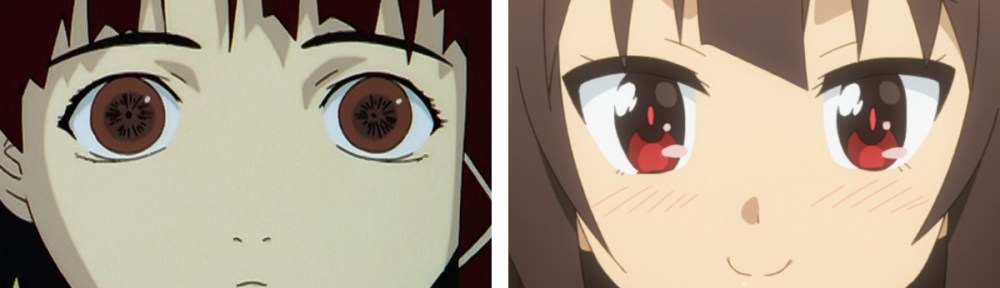
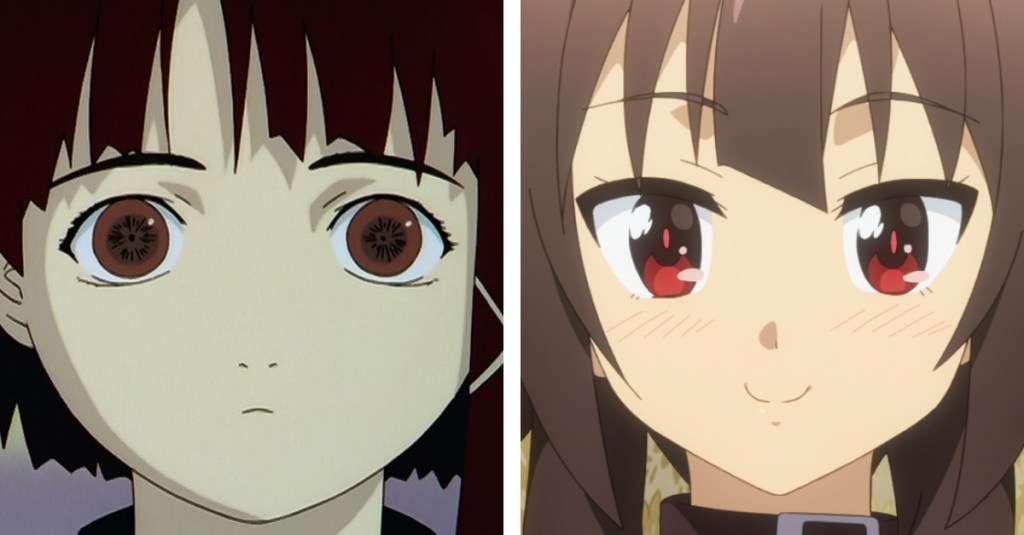
Once considered the Vanguard of the anime community, this once stronghold of a practice has become almost non-existent, and completely different.
In September 2011, I remember finishing Angel Beats! The reception was positive, and I was filled with such joy, happiness, and that fuzzy post-anime depression feeling. During my time on MyAnimeList, I added it to my completed list, and when I did, I was met with a very rude awakening by somebody I didn’t even know at all…
He went onto my profile, left a comment, and said these exact words to me:
Seeing your icon and your favorites list while finishing a shit anime reminds me of everything wrong with modern anime and the anime community as a whole. All I have got to say is, go fuck yourself. – Random Anime Elitist in 2011
These words, said in such a hilarious fashion, left me in a confused state. Like, what did I do to deserve to be insulted? I don’t even know the guy at all, and he just insulted me out of nowhere just because I like an anime show and he doesn’t? How immature can he be?
The thing is, my interaction with him wasn’t my first. Later on, I began to encounter more of these toxic fans, and every time I did, there was something I noticed: Their favorites, and their type of anime, are 99% the same. These artistic, underground anime titles that are vastly different from the typical mainstream anime titles that many of us—including myself—watch. I thought, “Who are these people?”
That’s when I discovered the term “anime elitist”… A group of self-proclaimed vanguards whose goal was to gatekeep anime as a whole, and to express some sort of superiority complex against others who liked a different taste in anime, while trying to change the way anime should be watched and viewed—and expressing hostility toward anyone who said otherwise.
Once an instrumental part of the anime community, if you’re someone like me who’s been around the anime community for a while now and has noticed that anime elitists don’t hold the iron grip on the community like they used to in the past—well, you’re not wrong. Anime elitism, as a whole, no longer exists strongly in the anime community. And in this article, I will be talking about the anime elitist and its role—from its dominant rise to its ungraceful fall.
Before I start, let me give you a quick synopsis of what an anime elitist is.
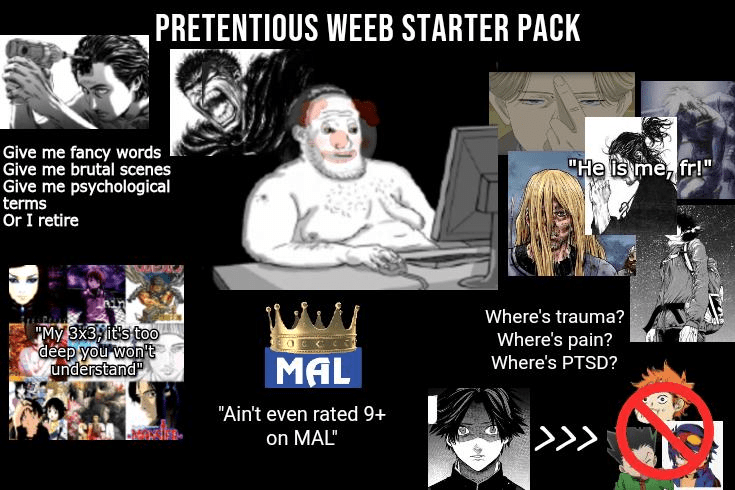
Anime elitists are a group of anime fans who gatekeep the medium. They hold a strong preference for—and belief in—obscure anime that feature deep psychological themes, an experimental touch, and strong maturity, all free from mainstream influence. Typically, anime elitists have a strong dislike for mainstream anime in the popular genres that most fans enjoy. They look down on titles like Naruto and Attack on Titan while singing praises to series like Serial Experiments Lain and Legend of the Galactic Heroes. Anime elitists also tend to strongly dislike newly airing anime that generate a lot of hype, often accusing them of being overrated or “filthy casual-bait” anime.
In other words, they were considered the snobs of the anime community.
Origins of The Anime Elitist: 2004-2007
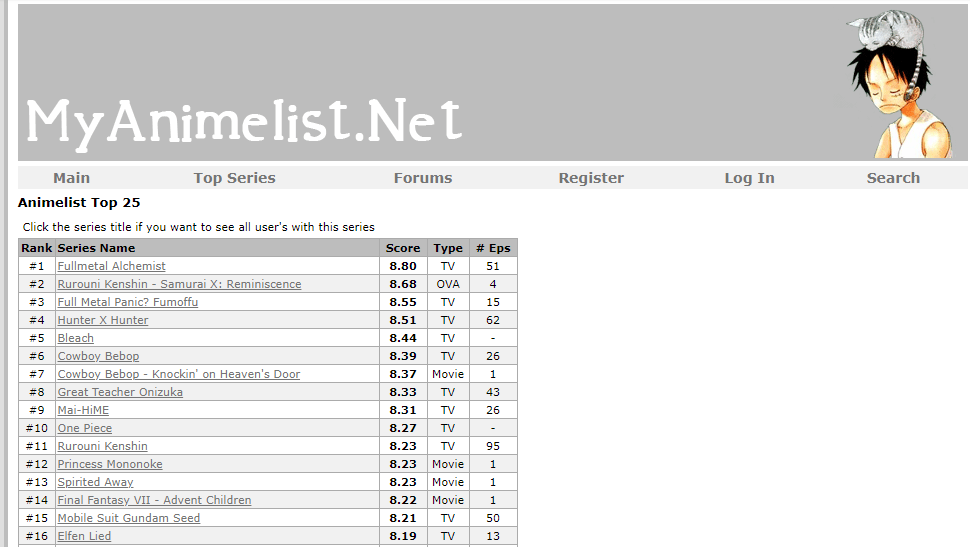
While anime elitism dates way back to the late 1990s—partly tied to the success of anime through VHS—it was actually the mid-2000s where the origins of the modern anime elitist truly began. During this era, anime elitists, while still a notable minority, were gaining traction as a group whose goal was to gatekeep anime with intense knowledge and “authentic” values that stayed true to the medium, according to their beliefs.
During this era, the main talking points of anime elitism centered on testing one’s understanding while watching anime and truly comprehending it. There was a requirement for people to consider themselves “true” anime fans: They had to watch select titles deemed essential for getting into anime as a whole. The classics came first—like Cowboy Bebop, Neon Genesis Evangelion, Ghost in the Shell, and Serial Experiments Lain. If you had watched them, then to an extent you were entitled to engage in heavy debates within the anime community, and the main battlefield was knowledge and dedication. In other words, if you were part of that era, most people remember it as the “Evangelion wall of text” era, where at least a thousand people would debate it over and over again. If you didn’t understand any of the classics you were required to watch—or didn’t enjoy them at all—you were typically told, “Anime isn’t for you,” and to leave. Yep, that’s how the origins of the anime elitist were.
During this era, anime on TV was still a thing, but as the internet advanced more and more, TV became less relied upon, and fansubbers as a whole became the main driving force for growth in the anime community. This was long before streaming sites like Crunchyroll existed as a legal way to watch anime, and at the same time, video websites like YouTube were still very young. Back then, one would famously have to watch an entire anime split into parts with titles like “Episode 1 Part 1/3.” Yep, the struggle was real alright.
The current state of the climate during that era made many elitists feel superior to the casual viewer—especially since Toonami and Adult Swim were slowly fading away throughout the years, while the internet and the anime community’s fansubs grew stronger each year. Also, speaking of that, English dubs were continuously despised by elitists, and many of them held a strong dislike for anime at the time such as Naruto, Bleach, and One Piece, dismissing them for catering to mainstream interests and being “childish” or immature.
Typically, websites like 4chan’s /a/, the early days of MyAnimeList, and various fan forums were the epicenters of hardcore gatekeeping in the anime community.
Of course, this was only just the beginning. The next era would get a lot bigger…
Rise of The Anime Elitist: 2008-2012
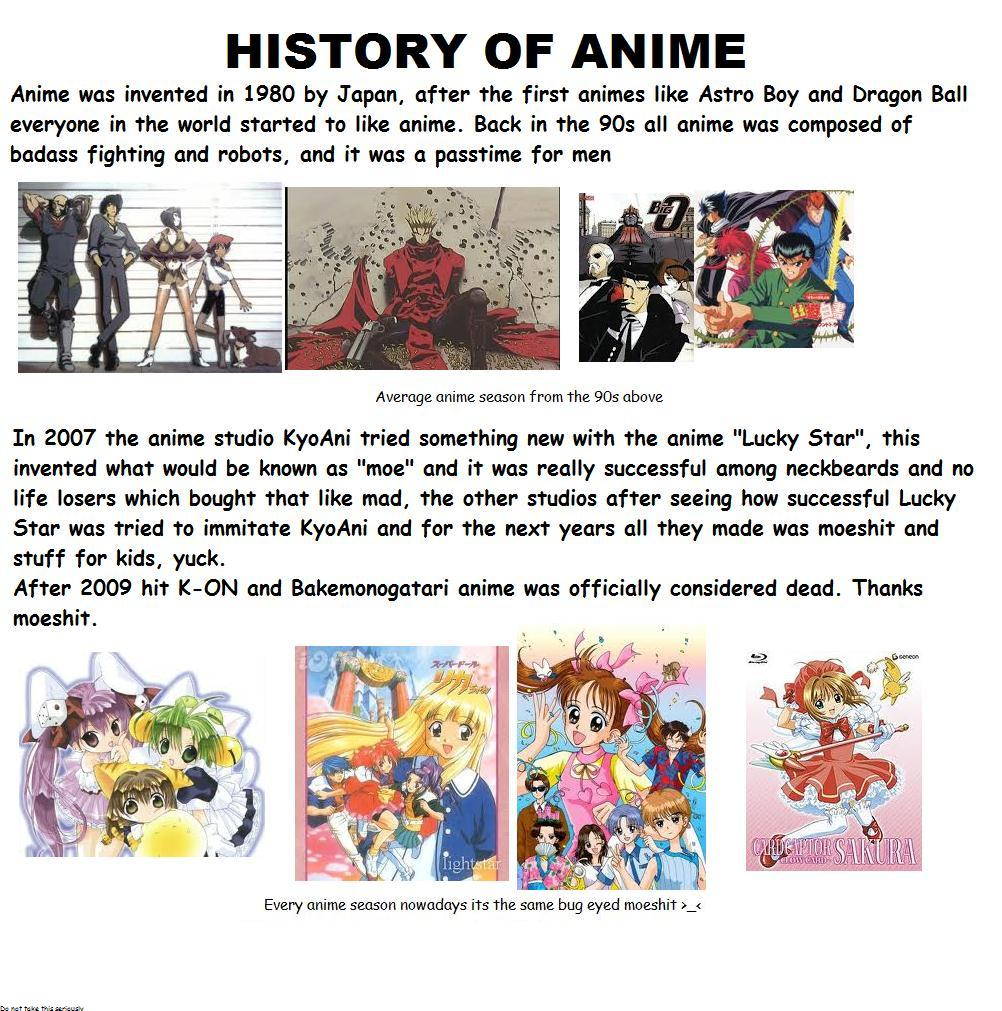
By the late 2000s and early 2010s, the popularity of anime had exploded. Anime was literally everywhere on the internet. Not only was it surging in popularity, but it was also capturing an entire generation of new fans who would ultimately define an era of fandom that, to this day, many people still remember and feel nostalgic about. AMVs exploded in popularity, forums and fandoms were booming, and anime clubs online along with conventions became the epicenter of everything anime-related. Not to mention the rise of being able to watch almost any anime right at the palm of your hand through the internet. Streaming websites like Crunchyroll, Netflix, Funimation (now part of Crunchyroll for dubs), and Hulu slowly began to embrace and invest in anime, eventually making legal streaming a staple for how people watch anime.
As anime on television mostly faded away, all focus shifted to the internet. Sadly, not everything was bright and colorful during this era. As the Great Recession hit and the bubble burst, the anime industry in Japan struggled economically. This caused the US anime industry to suffer a massive decline in profits, leading to the bankruptcy and liquidation of well-known companies such as ADV Films, Tokyopop, Geneon USA, and Bandai Entertainment. Finally, Toonami — the network that gave birth to a generation of anime fans, including myself — ceased airing, ending its amazing 11-year run. It would return almost four years later thanks to an April Fools’ joke by Adult Swim, though it was clear things were different. It was a brutal time for collectors. Even though the passion was strong and the community felt close, actually living the otaku life — both personally and with others — felt far away and almost like a myth. Merchandise was hard to get, cosplay and convention scenes were small and economically weak, and easy access to great anime and manga remained mostly limited to Japan.
Because of this, this era was also defined by the fact that anime elitists began to gain strong influence in the community. During this time, if anyone remembers, mainstream shounen battle manga and “moe cute girls doing cute things” anime dominated the scene. This was the era when the Big Three — One Piece, Naruto, and Bleach — were utterly despised by anime elitists. Many of them insulted the Big Three as poorly written series with bad characters and overused tropes, often citing more obscure, niche anime to argue against their popularity. Of course, those weren’t the only “Big Three.” The other “villainous three” — Haruhi, Lucky Star, and K-On! — were regarded as public enemies among anime elitists because they were accused of ruining anime as a whole. As internet access advanced and the internet became much easier to use with less worry about regulation and mass surveillance, so too did the influence of the anime elitists.
Other popular anime during this era, like Code Geass, Gurren Lagann, Clannad, Fullmetal Alchemist, Death Note, Toradora, Bakemonogatari, Angel Beats, Durarara, Steins;Gate, Madoka Magica, and Sword Art Online, were often trash-talked to death by anime elitists. They used the same old insults, claiming those shows had bad writing, were overhyped, weren’t as good as the classics, and so on. During this era, any anime that earned strong hype and positive reception from the fandom would automatically get flamed by the anime elitists. This era eventually led to massive flame wars on the internet, which I myself took part in and witnessed firsthand. Slowly but surely, people began to question, “How does one even enjoy anime anymore?”
Whenever you logged into websites like MyAnimeList, Gaia Online, AnimeSuki, 4chan’s /a/, YouTube, or basically any anime-related website, there was a high chance that an anime elitist was there, usually spouting the same narrative shared by every other elitist. Eventually, the anime elitist hemisphere grew so large that it caused massive rifts across the anime community as a whole. These rifts usually resulted from flame wars, trolling, and — worst of all — some pretty scary incidents that spooked the entire community. Even social media platforms like MySpace and Facebook were not spared from the toxicity of anime elitism.
During the year 2011 — which I remember clearly, as that was the year my first days of being an otaku began — anime elitists went into a full-fledged war over the successful reception of numerous anime released that year. Titles such as Madoka Magica, Steins;Gate, Fate/Zero, Anohana, Hunter x Hunter (2011), and Usagi Drop were heavily targeted. A lot of anime elitists would disregard them as pretentious trash enjoyed only by casuals who couldn’t compete with or understand their precious “deep” anime that not many people talked about. During this era, anime elitists would aggressively attack anyone for even remotely liking an anime they deemed trash, often without even interacting with them first. Their methods of engagement in the community became so toxic and bizarre that they eventually opened the floodgates for what many remember as the peak toxicity of anime elitism in the years that followed.
In the summer of 2012, Sword Art Online aired, and this was arguably the defining moment of the chapter for this era of anime elitism. For some reason, Sword Art Online was able to attract a Godzilla-sized wave of new anime fans who were partially interested in watching it just because of the hype. During that year, it took the anime world by storm, with Sword Art Online arguably becoming the most popular anime of 2012. Forum discussions were huge, with massive debates about the characters, the concept, and the popularity of Kirito and Asuna. Whether through AMVs, cosplay contests, or climbing the ranks as favorites on websites like MyAnimeList — on sites like YouTube and Facebook, Sword Art Online was everywhere.
The reaction of the anime elitists? Well, this was the moment when they went on a huge, full-fledged world war against those who liked Sword Art Online and dared to call it a masterpiece. They branded them as walking vile scum who were destroying anime and causing it to die. They invited these “casuals” — who didn’t know anime, had awful taste, and needed to either leave or be proven wrong with facts on why the anime sucked. In other words, the anime elitists didn’t just rage a war against Sword Art Online fans; they ultimately began a revolution that made everyone realize these elitists weren’t just a small group of fans, but a literal hemisphere far bigger than many would have thought or imagined. Popular anti–Sword Art Online shitposts, memes, flame wars, trolling, and rants were everywhere. It became so bad that, for some strange reason, anyone who liked Sword Art Online carried a strong negative stigma. In other words, Naruto was no longer the punching bag everyone used to make fun of. This chapter set the stage for something else.
As I have stated before, I have met numerous anime elitists, and believe me when I tell you, I have literally lost count of how many times the anime elitist would insult my favorites list. Either they would call me retarded for liking a certain anime, and would condemn me for considering Kanon my favorite anime of all time. Someone once literally called me a literal retard just for liking Kanon. Like, my first thought was, what’s up with these people?
Of course, the next era would feature their greatest peak, but with a ticking time bomb that few expected.
Peak of The Anime Elitist: 2013-2016

Sword Art Online’s intense meltdown among the anime elitist was the loudest and greatest prelude to what many would remember, the era where anime elitism entered into a peak state. By the time the mid 2010s began, it wasn’t just common to see an anime elitist everywhere, but if a popular anime was getting utterly dumped on by a reviewer, 90% chances the person was an anime elitist. Their favorites list was same the same, their average score was the same, and their common criticism of a specific anime was the same. The anime elitism hemisphere had evolved into a cult-like influence in the anime community.
As the spring of 2013 dawned, numerous anime elitists believed that Sword Art Online’s popularity would be considered a one-time event and represented the decline of anime. They believed that no other anime would have matched the unprecedented popularity and casual-calling that the anime was able to do in 2012. Then, something else happened. Another anime for the spring 2013 season appeared, and, unlike Sword Art Online, which gained popularity and attracted a new set of anime fans, this one was far worse, and unlike Sword Art Online, this anime gained acclaimed reception, and ultimately moved anime into a broader type of recognition not just among anime fans, but even the mainstream.
That anime was called Attack on Titan. When it aired on April 6, 2013, not only did it change the anime community forever, but it also changed the reception of anime forever in the modern era. In fact, prior to Demon Slayer’s airing, Attack on Titan—in terms of popularity and its impact on pop culture—was probably the most significant and powerful phenomenon anyone had ever seen. While animes in the past like Astro Boy, Akira, and Dragon Ball Z had their fair share of impactful moments, Attack on Titan’s impact truly felt like something else entirely. I was there, and I witnessed its acclaimed reception among not just anime fans, but even among people who weren’t into anime.
Similar to Sword Art Online, Attack on Titan made anime elitists declare another intense war against the anime itself and those who liked it. Anime elitists became so enraged by the success of Attack on Titan. However, there is a glaring issue that I’ve noticed—one that even the anime elitists themselves noticed.
Unlike Sword Art Online, whose influence and reception gradually declined due to the series’ quality drop later on, Attack on Titan didn’t. Every time there was a discussion involving negative reactions to the series, there would always be pushback and sharp rebukes against the narrative that the anime elitists themselves enforced. Year by year, Attack on Titan’s popularity grew bigger, and the anime itself invited newcomers to the medium, which made the anime elitists’ goals even more challenging.
Attack on Titan opened a portal that these anime elitists didn’t see coming: the new wave of successful anime that emulated the same kind of success that Attack on Titan had pioneered. Between 2014 and 2016, anime shows that appealed to newcomers, such as Tokyo Ghoul, One Punch Man, and My Hero Academia, brought in a ton of new fans. This domino effect caused the anime community to grow even bigger in numbers.
These changes in the community posed a huge challenge for anime elitists. The constant growth in the anime community and the shifting views of how people began to view anime positively—and its acceptance into mainstream society—caused anime elitists to embrace possibly the most radical and aggressive tone that the anime community had ever seen.
Online trolling, shitposting, making videos about how modern anime sucks, toxic rebukes, and vocal echo chambers—these types of activities among anime elitists became rife in the community. No matter where you went, whether on a YouTube video, online forums like MyAnimeList, 4chan, or other spaces revolving around the anime niche, the elitists were everywhere. It was obvious that the explosive boom in the anime community made the elitists feel that their influence was being challenged. At the same time, the constant stream of anime that appealed to the mainstream pushed the elitists into what I like to call “peak elitism.” Their influence spread so strongly that even outside the internet, anime elitists were everywhere. Many YouTube dramas involved anime elitists having heated arguments with fellow anime fans, and, to make matters worse, there were reported incidents in the community where some elitists took their toxicity to a new level of insanity.
2016 dawned, and as we all remember, that year was a defining year for anime. Following two consecutive years of anime winning mainstream recognition among the normies of society, 2016 was when that recognition went to the next level. Anime titles like My Hero Academia, Erased, Re:Zero, Konosuba, Mob Psycho 100, and movies like Your Name and A Silent Voice took not just the anime community but even those outside it by storm! In other words, that year was the turning point for anime’s growth since its digital beginning in the early 21st century. This reception left anime elitists battling even more changes in the community, and many of them resorted to aggressively inserting their influence into basically everything.
If you’re an older fan who has been around the community for a long time, then I’m pretty sure you remember the heated arguments where elitists would bombard every anime discussion. Whenever a new hyped anime that had just finished airing, chances were you would see the top-rated review from someone literally tearing the anime apart. Overwhelmingly negative reviews filled with trolling and shitposting. Condescending memes that would drown anyone who liked the newly aired mainstream anime. If you remember the heated arguments between Anitube users like Digibro (now Trixie The Golden Witch) and ThatAnimeSnob, then those two going at each other were the perfect examples of what the toxic side of anime elitism looked like at the time.
It was all fun and games for the anime elitists. As their influence and activity reached their peak, it seemed like their activity would never stop and that the common, almost mandatory mindset of the anime elitist would go on forever. However, even though their activity and influence were at their peak at the time, there was a glaring issue that many in the community didn’t notice: anime’s popularity and its recognition among those outside the community—along with a steadily growing number of fans—showed no signs of disappearing whatsoever.
Little did we know that this phenomenon happening in the anime community would mark the start of a slow, gradual downfall.
Decline of The Anime Elitist: 2017-2019

Anime’s explosive boom in the early to mid-2010s posed major challenges for anime elitists. As the late 2010s arrived, there was something different about the anime community. The difference was that anime as a niche was no longer existent. The medium had exploded into unprecedented popularity, to the point that even titles favored by the elitists became known among casual fans as well as those outside the anime community. Anime like Serial Experiments Lain and, no surprise, Neon Genesis Evangelion exploded in popularity, becoming something of a poster-boy meme for the newly changing anime community. Memes took on a bigger role, analytical content became somewhat diminished, and the mainstream influence of social media on the anime community became very apparent. Many subgroups of the medium grew, but the anime elitists didn’t. In fact, they grew much less.
These changes made everyone begin to realize something, with anime elitists feeling this realization the most brutally of all. That realization was that the influence of anime elitists had begun to slowly diminish. Their size and community influence in the anime sphere began to fade away. No longer were the methods that used to work for anime elitists effective anymore. Newly released modern anime were, for the most part, defended fiercely, and those who didn’t like them were often shunned and turned away by the community. As we all know, the period between 2017 and 2019 was a time when many notable anime titles aired. Even as of 2026, some of them are still beloved to this day. However, that wasn’t all. There was something else going on that was dramatically changing the anime community and the medium as a whole at the time.
In the late 2010s, the odd and strange Self-Ironic Weeaboo started to become the epicenter of attention in the anime community. During this period, the anime community entered a strange phase where self-ironic humor and the embracing of cringe culture dominated the nature of the community itself. During that era, there was very little room for deep analytical topics, highly sensitive emotions, or deeply knowledgeable discussions about the medium of anime as a whole. Many of these individuals who embraced the new self-ironic weeaboo mindset flooded into the community, triggering a massive culture war in which this new mindset—accepted by the normies—became the de facto standard for how one should engage with the community.
The anime community, in a nutshell, became goofy. It was filled with nothing but memes involving popular buzzwords: repeating anime quotes that became humorous (like Kenshiro’s famous “Omae wa mou shindeiru” — “You’re already dead!”), heated arguments about waifus, lewd content like the famous ahegao face, and in general just about anything that appealed to these self-ironic weeaboos.
There really was no room for anything deeper, and I was a witness to this. This was the era when I began to strongly avoid engaging with the anime community online, as the overwhelming majority of them were simply incompatible with me. Whenever I tried to discuss something deep about anime, they would respond in an idiotic manner that made me question whether they truly liked anime at all. Sometimes my deep, passionate expressions about anime would be disgustingly labeled as “cringe” by them. Did you notice the pattern? The anime elitists were no longer the norm — they had been replaced.
The invasion of the self-ironic weeaboos diminished the influence of anime elitists, as the self-ironic weeaboos became the new Public Enemy #1 in the anime community. At first glance, this may have seemed like a positive for the anime elitists, but it would actually get a lot worse for them. As critical thinking diminished, deep discussions and the old established requirement of needing to watch the classics in order to qualify for the community were no longer necessary. Nowadays, to be a part of the community, all you needed to do was join discussions about the latest anime, spam weeb memes and JoJo references, and you were already qualified. Literally, you could walk straight out of a nightclub with zero experience and knowledge about anime as a whole, and bam — you were already part of the community. That’s how drastically these self-ironic weeaboos changed things.
I remember in 2018 when Darling in the Franxx was at the epicenter of discussion. When the anime concluded in July 2018, there was a massive shitstorm of self-ironic weeaboos screaming about how much they loved Zero Two and considered her their waifu. The elitists did their usual thing of bombarding the discussions, calling it an Evangelion rip-off and utter garbage. However, because the community had changed so much, the elitists were shoved aside. By this time, everything had changed. These self-ironic weebs ran the show. Anitube didn’t help either, as it only reinforced their influence more and more. By then, the standard formula of being an anime elitist was suffering a sharp decline in influence.
By late 2018, there was a powerful movement of anti-anime-elitist attitudes. There was strong disdain and dislike for anime elitists who stuck to the standard format that had made them infamous in the first place. Their existence was so disliked that even popular anime of the past, like Serial Experiments Lain, and even non-elitist classics such as Yu Yu Hakusho, began to suffer unfair hatred from these new fans simply because of the elitists’ toxicity. Anyone who was different from the community and expressed an opinion that stood out was targeted. This was most evident in the fall of 2018 when Goblin Slayer aired. The series is famously remembered for its gruesome rape scene, which caused a massive community meltdown. Many of those who didn’t express shock at the scene and instead pointed out that past anime had far worse scenes were labeled as elitists. This signaled how much the elitists’ influence had not only become weak, but utterly despised by others.
In the spring of 2019, the anime community and the medium as a whole would change forever — a shift that is still felt today and is more popular than ever as of 2026. That anime, titled Demon Slayer: Kimetsu no Yaiba, aired on April 6 of that year. Demon Slayer’s release, like the previous anime hits of the 2010s, was probably the most successful the industry had ever seen. Demon Slayer broke records and shook the entire anime industry and the anime community as a whole. It went on to shatter TV ratings, internet viewership, fan reception, and merchandise sales. It sparked a whole new wave of fans, flooded conventions with cosplay, and even ended One Piece’s eleven-year streak of being the top-selling manga in Japan. Demon Slayer didn’t just break new ground — it shook the entire world of pop culture.
As expected, Demon Slayer brought in a massive wave of newcomers to the anime community. Like the previous anime hits, its success gave anime elitists another round to duke it out. However, during that time, there was a shocking revelation that I myself witnessed. The influence of anime elitists had become so puny that the success of Demon Slayer made almost everyone forget about their presence in the community entirely. Anime elitists went on a barrage of attacks against Demon Slayer and its success, reducing its fans to nothing but mindless casual idiots who had no taste in anime or were completely new to the medium. Similar to previous anime, their statements were met with what I would ultimately call the most powerful and direct rebuke one could possibly imagine. Not only were they ignored, but they were insulted, made fun of, memed to death, hunted down, and even directly attacked online. Demon Slayer fans, anti-anime-elitist users, and true hardcore passionate otakus ganged up on the anime elitists as if it were a witch hunt. Their numbers shrank, and they were generally outnumbered. Their voice was weak, and by then, it had become clear…
Anime elitism wasn’t cool anymore. The practice became despised and was labeled “cringe” by many in the community. While any anime title has its fair share of haters, the elitist habit of hating on a series simply because it wasn’t like their favorite classics was no longer tolerated. It became crystal clear that anime elitism was on its deathbed. Many famous figures in the anime elitist sphere—whether on YouTube, in blogs, or on community forums—had either left, gotten banned, retired, or simply lost interest in anime.
The end of anime elitism was in sight.
Demise of The Anime Elitist: 2020-2023
In 2020, the world entered a shocking semi-apocalyptic meltdown. The COVID-19 pandemic shook the world, took lives, shocked the markets, shocked politics, shocked society, and forced everything into lockdown. For the first time ever in the 21st century, in the modern lives of all people, we were forced to quarantine ourselves at home—an experience none of us had ever felt, and one we didn’t exactly know how to handle. This was a moment that changed the way we live our lives forever… Even six years on, that memory is still fresh in our hearts and minds.
For many younger people, doing outdoor activities either in their local area or in the city was their way of living life. Obviously, entertainment was another big part, but for the majority, it was a balance of both. With outdoor activities completely restricted for many, entertainment through digital media became the only way to keep people occupied. Television, phones, and computers were the only tools available for entertainment.
As entertainment in the West, particularly the United States, began to decline atrociously in quality. The thing is, this issue wasn’t something that only started in 2020—this was a problem that dated back to years even before 2020 began. American cinematic giants like Hollywood, Disney, and illustrated works of comic books like DC and Marvel found themselves constantly under fire from their audiences. Year after year, their works became less popular, less appealing, and failed to generate the reception needed to turn a profit. Their works began to grow stale in creativity, reusing the same political tropes in poor quality while alienating their fans, rebooting old properties that had ended decades ago, and repeating many of the same ideas over and over again. In fact, I talked about this before in my article about how Demon Slayer’s triumph at the box office against giant Hollywood properties signaled the successful rise of anime and manga, while at the same time marking the fall of Hollywood as a whole.
Then there was anime. Regardless of one’s opinion on the current state of anime’s quality, there is no denying that anime was still — and is still — running strong. With the collapse of Hollywood’s quality and the lack of accessibility of other entertainments around the world, anime truly remained the only medium that was accessible as an alternative to Hollywood. Of course, Korean entertainment could be described as another alternative too. For anime, the story, characters, animation, soundtrack, and the exotic feeling of experiencing a different culture — especially one that was completely different from the one being panned with negative reception — created a sensational feeling that one would crave over and over again.
Quality remained high. New anime series were being pumped out in large numbers, audiences grew, popularity exploded, and streaming services like Crunchyroll and Netflix grew tremendously in membership. The unprecedented explosion of new fans during the pandemic prompted corporations to invest in anime for profit, which only made the medium explode even more. What made this a watershed moment was the fact that all of this was happening during quarantine. Once you watched a good anime, you’d watch ten more, and the numbers kept growing. In other words, for those who didn’t fall under the category of “anime tourists,” once you started your anime journey, there was no going back. Especially during a time when people were restricted from outdoor activities and entertainment in the Western hemisphere entered freefall. For anime, this was the perfect moment that no one, including myself, ever saw coming.
As a consequence, the anime community became flooded with even more people who were new to anime. I was there, and I was able to witness a plethora of new fans joining the community. Websites like MyAnimeList, Anime-Planet, Kitsu, and the newly established Anilist saw a gigantic influx of new people into anime. I would constantly see users on their websites who had just joined in 2020. This only made the influence of anime elitists die even quicker. The expansion and strong acceptance of anime, embraced by an overwhelmingly large number of the masses who hadn’t even acknowledged its existence in the first place, shifted the debates from niche underground anime like The Tatami Galaxy to full-blown mainstream titles like Jujutsu Kaisen.
During this era, the elitist side of anime truly diminished. Their influence was non-existent, and they were overwhelmed by the number of new fans. Something I noticed during this era was the exodus of older anime fans who had been around the medium far longer than most people. Many well-known veterans of the anime elitist sphere mostly retired from talking about anime, abandoned the medium completely, or simply took a break from it. Even those who did eventually return never regained the same influence they once had before. The landscape had changed so much in the community that, by the middle of 2021, I remember there was a massive debate over the current status of anime. Some felt that the medium had become too mainstream now, while others argued that the perception of gatekeeping anime and the old beliefs of anime elitists had now become extremely cringe and unacceptable.
Throughout the chaos years of the pandemic, picking on anime elitists and accusing anyone of acting like an anime elitist became the new norm in the community. Anime shows beloved by the elitists began to suffer from massive review bombing, and those who liked them and used them as comparisons against other hyped anime shows were simply brushed off as anime elitists and dismissed as not worth taking seriously. Some reactions from these new fans were, at times, extreme—even those who were never part of the anime elitist crowd suffered such accusations.
In the early 2020s, many who were part of the deep analytical anime community—whether on social media like YouTube, Twitter, or forums on websites like MyAnimeList—diminished greatly. This was especially true on YouTube, which had been the epicenter of deep analytical content about anime as a whole. I saw with my own eyes many creators I used to enjoy watching or reading through blogs leave anime and disappear into thin air. At that moment, veterans like myself knew that the anime community was changing a lot. Because of this mainstream growth, even the self-ironic weeaboos became irrelevant and shunned by the anime community as well.
Between the years 2020 and 2023, anime like Demon Slayer, Jujutsu Kaisen, Chainsaw Man, and Frieren exploded in popularity. The thing was, it wasn’t just within the anime hemisphere, but in pop culture as a whole. This was further amplified by mainstream marketing from streaming sites like Crunchyroll, Netflix, Hulu, and Disney+. It basically became an arms race for licensing anime for their platforms. Explosive movie theater attendance, home media sales, manga book sales, merchandise, and large increases in anime convention attendance were obvious and noticeable to many. In fact, it caught the attention of mainstream media outlets worldwide. Just seeing PBS talk about anime through casual interviews was a truly astonishing moment for me. Seeing NHK broadcast the Anime Expo in 2022 and reading the reactions from Japanese people was a stark realization of just how much my beloved anime had exploded in popularity. So, where were the anime elitists, you ask? At the anime community cemetery, turned into ghosts as their influence had largely diminished by then.
However, even though anime enjoyed explosive popularity, that didn’t mean these new fans were completely welcomed or had it easy. Even though elitist influence had diminished, the hardcore anime fans certainly hadn’t. In fact, their influence and status were only further reinforced. They were the new vanguards of the anime community and technically the driving force behind the ship’s wheel of where the anime community would go from there. One of the notable turning points toward the end of the pandemic years was the sheer ignorance of these new COVID-era anime fans. Their persistent belief in their own narratives, ignorant claims, poor knowledge, refusal to expand their anime library, rejection of the tropes that make anime unique from other entertainment, and the arrogant attitude of describing anime through their own point of view as if it solidified the medium as a whole began a very consequential era that everyone in the anime community was about to experience in the upcoming years.
This was when anime elitism itself was about to usher in a new era of change.
Reboot of The Anime Elitist: 2024-present
Anime’s popularity in the early 2020s exploded like crazy, and the number of new fans in just four years was astonishingly high. However, something notable happened prior. The number of COVID-era anime fans began to somewhat diminish. The reason is that even though anime gained many new fans, many of them had forgotten that these were simply people passing by and enjoying something during the pandemic because there was nothing else to enjoy. It was trendy, and many got into anime simply because they were influenced by social media. Tons of videos on Instagram and TikTok showed people selling their merchandise and admitting that anime was simply a fad they enjoyed but later moved on from. A friend of mine showed me the massive droves of these so-called “new anime fans” leaving the medium, and it was something both of us had boldly predicted. I couldn’t help but feel satisfied knowing these newcomers were simply people passing by.
Of course, those who stayed in the medium for much longer — and still do to this day — continued to spout the same ignorant statements about anime. In the current era, many longtime anime fans who label themselves as die-hard otakus (myself included) and who have been around the community for a long time began to notice that something was wrong in the anime community. These total newcomers, or people who had only been part of the community for a short while, developed a persona of ignorant individuals who curse the existence of anime and refuse to embrace what makes the medium stand out from other entertainment. They labeled their opinions as raw truth, and anyone who disagreed with them was branded a gatekeeping elitist. The anime community began to catch on, and that’s when it realized…
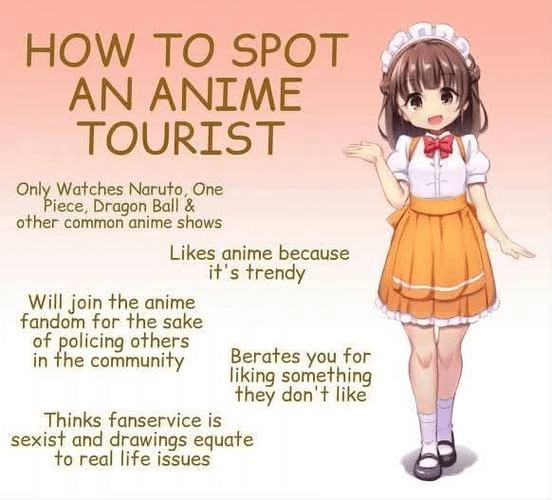
These new so-called “fans” are just tourists of anime as a medium. The name “Anime Tourist” became the new buzzword and the new public enemy #1 for the anime community. This, in turn, gave rise to a type of anime elitism almost embraced by everyone — myself included.
As the landscape of the anime community dramatically changed, the truth is that anyone is now qualified to be called an elitist through the eyes of an anime tourist. I’ve covered the topic of anime tourists before in my previous articles. While the term “anime tourist” remains controversial among some fans, there’s no doubt that the anime community is experiencing an ignorance issue. Specifically, it involves individuals who refuse to branch out of their comfort zone of mainstream anime and invest time in watching titles outside the mainstream. The worst part is their defiant belief in their own narrative without any actual sources to back up their statements, while at the same time putting anime down as a whole and wanting it to change to fit their social views. What are those social views? Well, the same type of views that caused the downfall of entertainment outside anime and manga. The thing is, anime itself is a diverse medium full of views from both the left and right. Many of these new post-2020 anime fans also base their critical reviews and analytical commentary on modern anime rather than actually getting into the classics to understand the medium even more. In other words, they are just casuals — but overdosed. They do not take anime seriously; they view it purely as formal entertainment with no die-hard emotion for the medium.
Because of this new change in the anime community, anime elitism came back with a vengeance. However, unlike previous eras when anime elitism was viewed as a menace of evil that was destroying the community, anime elitists are now seen as a symbol of justice for the anime community. Basically, they are viewed as the true vanguards of the anime community, protecting the medium for what makes it so special to older fans and die-hard otakus. The concept of elitism in anime has changed so much that simply saying you prefer Konosuba over Jujutsu Kaisen will already classify you as an elitist. Fun fact: I was accused of being one by a new-age casual fan simply because I said that Kanon is my favorite anime of all time. I’m not kidding you — almost nobody knows that anime except myself and people around my age group, aka the youngest millennials and the oldest Gen Z folks.
Another notable aspect of the new-age elitism is the constant correction of ignorant statements made by new-age anime casuals. Notable examples include enforcing the authentic Japanese touch of what makes anime “anime,” how Evangelion is not the revolutionary pioneer that these new-age fans make it sound (which I’ll be covering soon), how Dragon Ball Z didn’t make anime popular worldwide, and how anime shouldn’t conform to Western demands while remaining free of censorship regardless of personal beliefs. Fun fact: I hold firm to these beliefs not because I’m a political junkie or anything, but because anime itself is special, and I believe Japanese creators should have the full right to express their creativity no matter what others think.
The mainstream-fication of numerous anime works such as Jujutsu Kaisen, Demon Slayer, Chainsaw Man, Frieren, Solo Leveling, and the newest Witch Hat Atelier has dramatically altered the anime community. The explosive growth of these shows in the 2020s has made classics literally unrecognizable today. In fact, the growth has been so gigantic that I can guarantee you that 80% of new-age fans haven’t watched any classics at all. And if they have, most of them express negative views about them with poor reasons. They also claim that any anime that panders to the otaku is problematic, throw around offensive accusations that aren’t true, and demonize anyone who likes it. Basic anime terminology is mostly non-existent among these new-age anime fans.
For the vanguards themselves, this new landscape has given them a fresh reason for anime elitism to return — this time in a form that is ultimately different from the previous elitism. No longer do you need to have watched 50 select titles and dunk on 1,000 others to be considered an elite. No longer do you need the same 10 shows like Berserk, Evangelion, and Legend of the Galactic Heroes. No longer do you need to antagonize people who like mainstream anime such as Dragon Ball or Naruto, or trash the same genres over and over simply because they differ from underground philosophical anime that the norm doesn’t watch. All you need to do is love anime to its fullest. The truth is, all you need to do is beat someone’s game to be considered an elitist. Do you know some irrelevant trivial info about Gundam in 1981 or how many Dragon Ball installments you’ve watched? Congrats, you’re an elitist now. Do you have tons of hidden gems from the 1990s and 2000s that nobody else knows? You are now an elitist. Do you prefer Eighty Six over Demon Slayer? Welp, congrats, new elitist!
That’s how much elitism has changed in the anime community. Heck, you could literally finish Witch Hat Atelier and beat someone’s game by proving you’re an elite who loves anime to its maximum while correcting a tourist who’s saying silly stuff that isn’t true and poorly expressed.
The point of this era is mainly about how the anime community has changed. It’s changed so much that many veteran otakus like myself have realized something: we don’t just love anime — we consider it a passionate identity that is truly a part of our lives. The more we embrace this, the more we love anime. Basically, this era is a reminder of what made us fall in love with anime in the first place. Seeing outsiders who just got into the medium recently and demanding change is something us otakus aren’t going to tolerate. Opinions are fine and should be expressed, but some go overboard with poor quality and purely ignorant statements that aren’t true. In other words, anime is anime. Being an otaku is more than just a hobby in practice, and we love anime for what it is. Even if there’s a little dark corner that most of us don’t like, it doesn’t change the fact that “anime is anime.” It’s made in Japan, and that’s what makes our medium so beloved and different from everything else.
Regardless of which year you got into anime — whether it was 2020 or 2006 — we fell in love with the medium in the first place, and we continue to do so.
Aftermath:
Anime elitism started out as a dedicated but controversial practice in the anime community. We all witnessed the rise and fall of anime elitism, while at the same time witnessing a rebirth of the practice itself. Regardless of whether you were ever one, still are one, or are part of the new-age anime elitism, we can definitely agree that anime elitism is an important part of history in the Western anime community. It was the moment of deep analytical thinking, intense debates, and arguments over what makes an anime successful and the importance of some anime being different from the norm. At the end of the day, anime itself is a piece of entertainment filled with a diverse amount of different installments that anyone with their own personal preferences can get into. With today’s changing landscape of the anime community, elitism itself has rebranded into a new form that is completely different from the elitism of the past. Today, most of it is just correcting false narratives about anime as a medium and protecting what makes anime special — while at the same time beating someone else’s game in the community. Basically, this was the story of the anime elitist.
Thanks for reading my fellow otakus! Don’t forget to like, share, follow, and check out my socials!
Discover more from Animangemu
Subscribe to get the latest posts sent to your email.
 Animangemu