

In 2010, the anime industry was going through a turbulent period. After three years of consecutive decline in industry profits due to the effects of the great recession, 2010 was the first year since 2006 that the industry enjoyed an increase in profit. However, seasonal anime on television dramatically declined compared to four years ago. In 2006, there were 100-120 seasonal anime airing during that year. By 2010, that number had declined to 80-100. In spite of that, 2010 is remembered as being a phenomenal year for anime. The year saw the release of hits like Angel Beats, Durarara, Maid Sama, The Tatami Galaxy, Bakuman, Panty & Stocking, and a lot more. In other words, even though the industry only began to slump, that didn’t stop it from releasing hit anime.
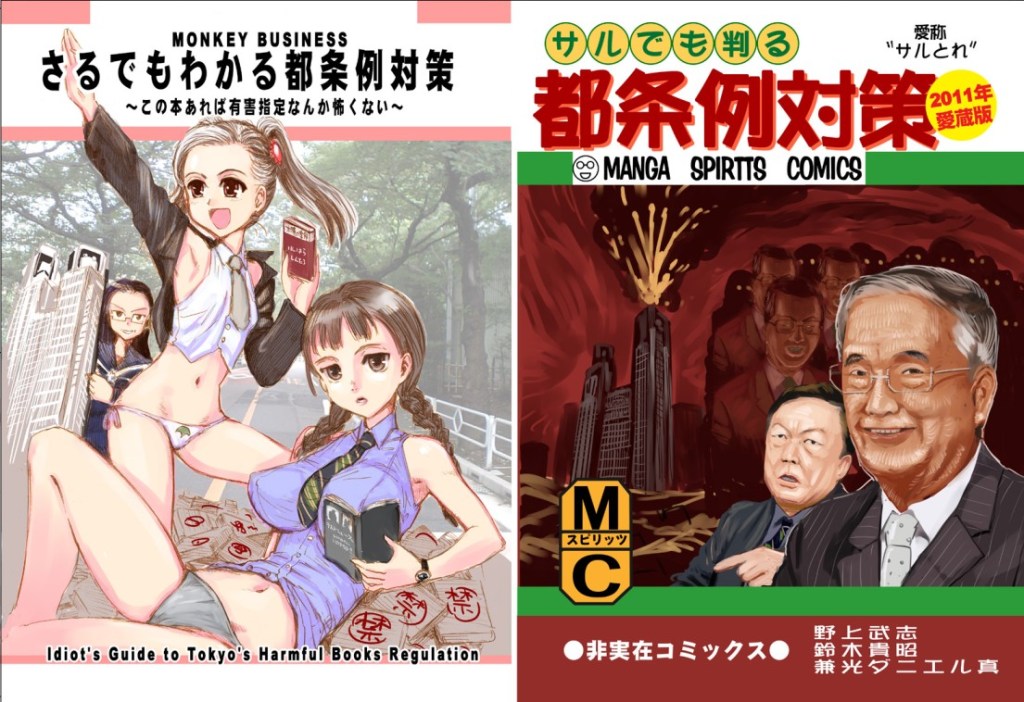
But, like all things in entertainment, the industry was about to be rocked by a controversy so unexpected and bizarre, that it caused a massive extensive media meltdown not only in the anime and manga industry, but Japanese media. So what happened exactly? By you looking at the cover, you probably know what this topic is about, and you probably already know what must have happened, right? Well, either way… Get to hear the most bizarre and hilarious anime and manga censorship controversy that happened directly in Japan.
In the year 2010, The Japanese Parliament, also known as the Diet, passed a controversial law in 2010. Known as Bill 156. Its full name, Tokyo Metropolitan Ordinance Regarding the Healthy Development of Youths. This law was officially passed by the Tokyo Metropolitan Assembly in December 2010 and was officially in effect in July 2011. This bill, according to the masterminds behind the law, the goal was aimed to regulate the sale and distribution of anime, manga, and related media deemed harmful to minors. The bill was spearheaded by Tokyo Governor Shintaro Ishihara.
The Tokyo Metropolitan Ordinance isn’t new. Originally enacted in 1964, it was designed to promote a healthy environment for youth. The process was by enacting regulations specific things, like media, toys, and behaviors, that could negatively affect their development. The 2010 revision expanded the scope of what constituted “harmful publications.” According to the law.
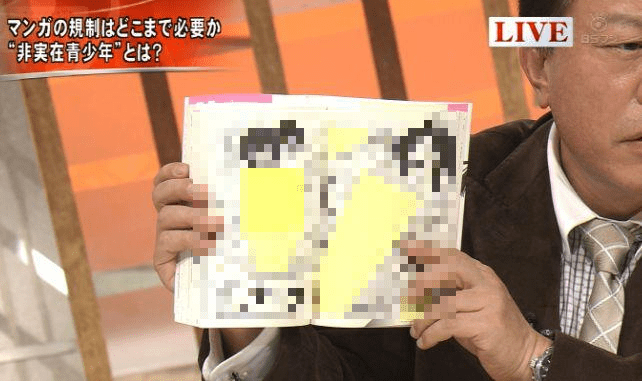
The specific targets of the law were:
- Depicted sexual acts or simulations involving characters appearing to be under 18, even if fictional (initially referred to as “non-existent youth”).
- Promoted or exaggerated themes like incest, rape, or other illegal sexual activities.
- Encouraged cruelty, suicide, or criminal behavior in ways deemed detrimental to youth.
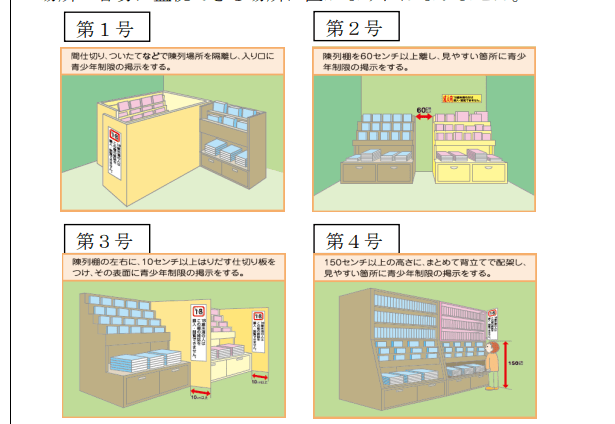
Shintarō Ishihara is a controversial figure in Japanese politics. A staunch conservative figure known for controversial statements. His bill received some support. Including then-Prime Minister Naoto Kan. He argued that the bill was necessary to protect minors and uphold Japan’s cultural reputation internationally, particularly amid concerns about the “Japanese brand” and events like the Tokyo International Anime Fair.
The revised ordinance, according to the bill, prohibited the sale or distribution of designated “harmful” materials to those under 18 in Tokyo. This included adult material having to be labeled as adult content in separate stores. According to a report, a government-designated council reviewed 120–140 books monthly from general bookshelves and convenience stores, sharing results with the Healthy Youth Development Council, which decided which titles required regulation. Those who denied compliance, could result in fines for publishers or sellers.
The initial draft in early 2010 used the term “non-existent youth,” sparked MASSIVE backlash due to its ambiguous and broad claims. After opposition, the term was eventually replaced in the final version with non-existent crimes. Now fully focusing on depictions of illegal acts like incest or sexual intercourse that violated punishment laws, portrayed with “unreasonable praise or exaggeration.”
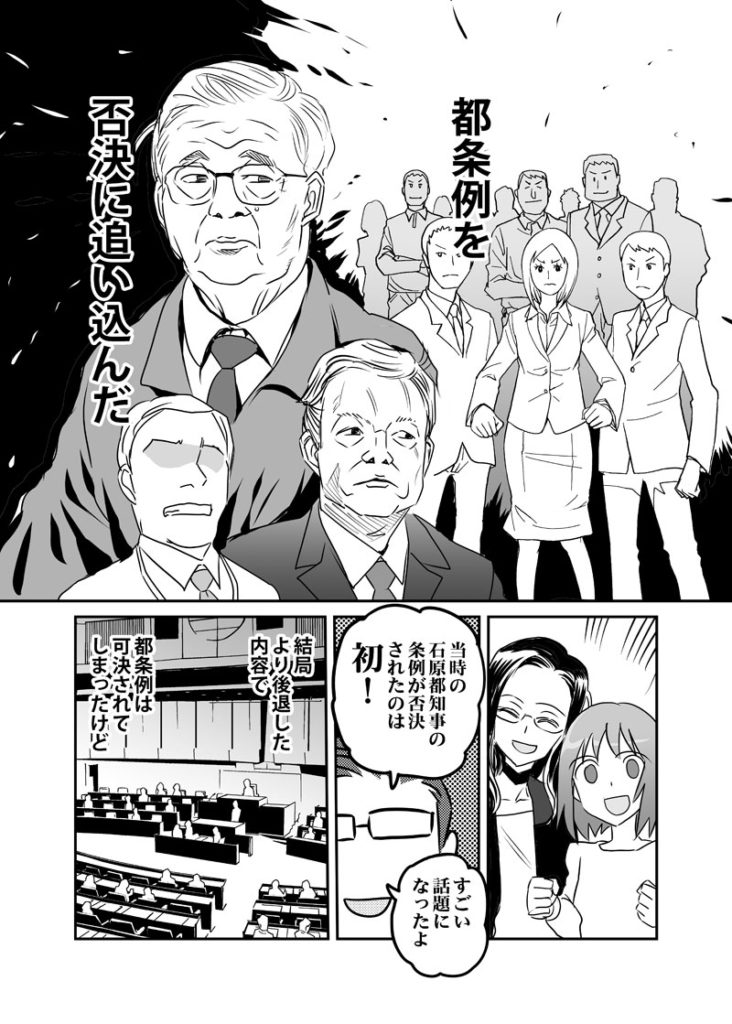
So, the question is, what happened next…? Well… The controversy, as expected, sparked a massive meltdown and a full-blown backlash against the bill. What you saw from these pictures were parodies and mockeries of the masterminds behind the bill. In fact, there was even a manga that was about having a full-blown rebellion against the Tokyo Metropolitan Ordinance. That’s how INFAMOUS the bill was. How did the controversy look like? Well, here’s what happened.
Impact on Freedom of Creativity: Famous and well known manga creators like Ken Akamatsu (Love Hina) expressed concerns that the bill could lead to self-censorship, as publishers might avoid controversial themes to evade restrictions. Ironically, he would be elected 12 years later into the parliament. In another example, mangaka Takaku Shoko reported a publisher rejecting her work due to a character in a high school uniform, and Meiji Kanako noted a potential cancellation of a manga re-release due to depictions of minors’ sex.
Backlash from the industry: The anime and manga industry strongly opposed the bill. In fact, the opposition was SO dire, that ten major publishers, including publishing giants Kadokawa Shoten and Shueisha, boycotted the prestigious 2011 Tokyo International Anime Fair in protest, with many highlighting the bill’s threat to a vibrant cultural sector. The boycott underscored the industry’s economic and cultural significance, as anime and manga are key components of Japan’s soft power. It just comes to show, that even during an era of uncertainty, aka, the Heisei era, anime and manga were unstoppable for Japan’s soft power.
Public and International Reaction: Obviously people in Japan were not happy at all. Many feared that the bill would limit access to diverse content and ultimately result in full restricted control under the Japanese government. On a little weird note, many western media outlets spread false lies about manga being fully banned in Japan which wasn’t the case, but instead, an unjust censorship that restricts freedom of creativity.
So… What was the outcome of the bill…? What happened next…? Did anime and manga really suffer a massive, horrific censorship destruction that ultimately resulted in the industry suffering from forever government control? Well… Hardly… In fact, the bill’s effect was more limited than what many had anticipated…
The new law only affected 6 titles really… Notably, the title most popular that was affected was the infamous incest themed adult manga Aki Sora. The manga was discontinued as publishers preemptively wanted to avoid conflict. Another notably title that was affected was Oku-sama wa Shōgakusei (My Wife Is an Elementary School Student). Aside from that, most of the affected manga were out of the print, except for the two mentioned before.
Interestingly, some anime on television used loopholes by using ambiguous language, metaphors, or narrative structures to circumvent restrictions. A notable example of this was the anime Yosuga no Sora. Another infamous incest themed visual novel based anime that rocked the fall season of 2010. The anime, which depicted incest, avoided sanctions by framing its story as non-glorifying and using alternative narrative routes. Similarly, digital distribution and international platforms further reduced the bill’s practical impact, as it primarily applied to physical media in Tokyo.
As of 2025, the bill is still regarded as a “legal ghost”. Enforcement of the law is largely symbolic. The technological rise of digital media and global streaming platforms in the later half of the 2010s basically diminished its effectiveness. Nonetheless, the bill is still of a major concern for creators navigating potential restrictions.
Even though the bill wasn’t such an impact, it definitely left a scar on independent creators and feared that such regulations would butcher freedom of creativity on anime and manga. On the bright side, the “artistic value” defense helped protect many works, and the industry’s resistance ensured the bill didn’t lead to outright bans. That’s the positive part at least…
Overall, the goal of bill 156 was to regulate anime and manga in Tokyo. With primary concerns ranging about youth protection. The issue was, it was notoriously criticized for vague wording, potential for overreach, and political biases. Even though the bill faced atrocious backlash from the anime and manga industry, its effects were barely consequential, and in fact, had little impact on the industry as a whole… There is no doubt that the origins of this bill seemly steams from Japan’s controversial pornography laws that are accused of being too lenient to minor looking content. As opposed to other nations, Japan is criticized for being too soft on this issue. None the less, such content based on real minors is banned and those possessing it are sentenced to prison.
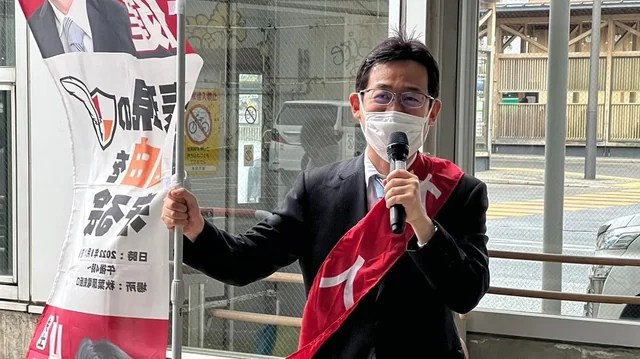
Bill 156 serves as another reminder of the history of anime and manga’s controversial side. The fact that even though we complain about the ignorance and lack of knowledge for info of anime and manga from higher ups in other countries like here in America, or those in Europe, even in the mainland, anime and manga are not safe. Even though it’s been AGES since a bill like bill 156 happened in Japan, much of the controversy now is engaged with fears of foreign influence and pressure trying to change anime and manga. In fact, that’s how Love Hina creator Ken Akamatsu won his 2022 election in Japan. In the end, what matter is anime and manga remain free and liberated from control by higher ups. Just like how all other entertainments should. Even then, despite the bill passing, it basically remains irrelevant as it had little effected on the industry… Vicious backlash of the anime and manga eventually were victorious over this controversial incident. It serves a reminder how passionate some individuals can be with their entertainment. In the end, this controversial incident turned to be more of a hilarious one then a tragic one.
Thank you for reading my article. What did you think of it? Please Let me know in the comments?
Sources: Anime News Network, Wikipedia
 Animangemu
Leave a comment