
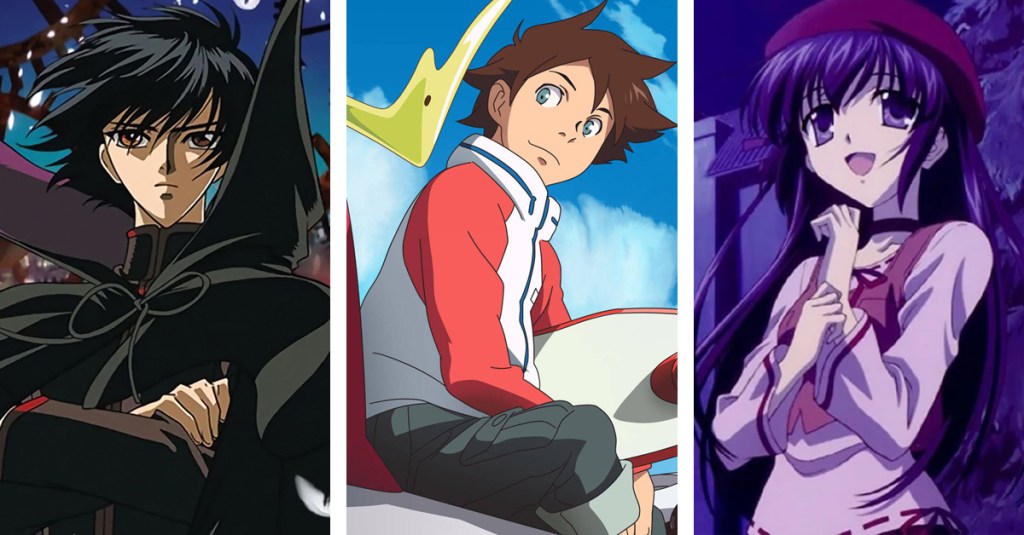
Are you hungry for some 2000s Anime? Check out some of my Recommendations to watch!
As you all know, I am a huge fan of 2000s animes. Well, I’m mean, it’s obvious since the 2000s was the decade when I first got into anime and manga as a whole. Even though, the full credit goes to 2011 for officially kick-starting my never ending adventure of being an otaku and living the otaku life.
Kurai of Animangemu would like to present you some random 2000s anime recommendations from each year! These select anime titles are shows that I’ve already watched and enjoyed. If you never heard of these selected animes by me, then you’re in huge luck because I promise you that You’ll enjoy these shows to the max!
So, without further a do, lets begin!
2000: Boogiepop Phantom (Winter 2000)
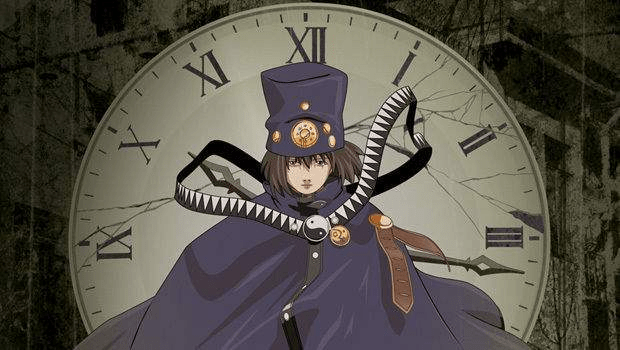
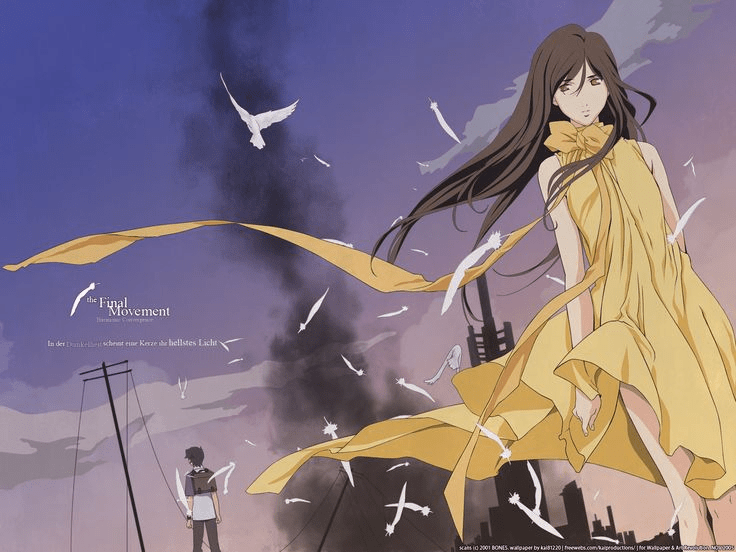
Boogiepop Phantom is essentially Serial Experiments Lain, but with the theme of ghosts and horror. If you are looking for an experimental type of anime that has a strong avant-garant theme and deals with heavy-induced topics that involves social issues considered dark and deep, then this anime is 100% for you!
For starters, Boogiepop Phantom presents an in-depth take about numerous social issues that any watcher can resonate with. Ranging from emotion, identity, the struggles of a changing world, loneliness, PTSD, the consequences of escapism, distortion of reality, and the outlook of a world viewed with the lens of despair and negativity. Not to mention the fact that Boogiepop Phantom presents a unique visual not seen in a lot of anime. A dark, gloomy, colorless, and hopeless type of animation and design that suits the anime’s atmosphere perfectly.
Another interesting part about this anime is the fact that it deals with the topic of personal change symbolically represents the changing landscape that Japan itself was going through, as the country itself in the year 2000, aka, the new millennium and century, was dealing with the economic downturn known as the lost decade that was occurring in the 1990s, and the anime itself was released in the final year of it’s first lost decade before the beginning of the second lost decade which began in 2001. Boogiepop Phantom purely symbolized that Japan’s glorious Showa era days of being an economic superpower with a prosperous life was nothing but a distant past accolated by Boogiepop Phantom’s poetic theme of a changing world while being unable to move on from its past.
If you like dark and deep psychological anime, then this one is for you!
2001: X (Fall 2001)
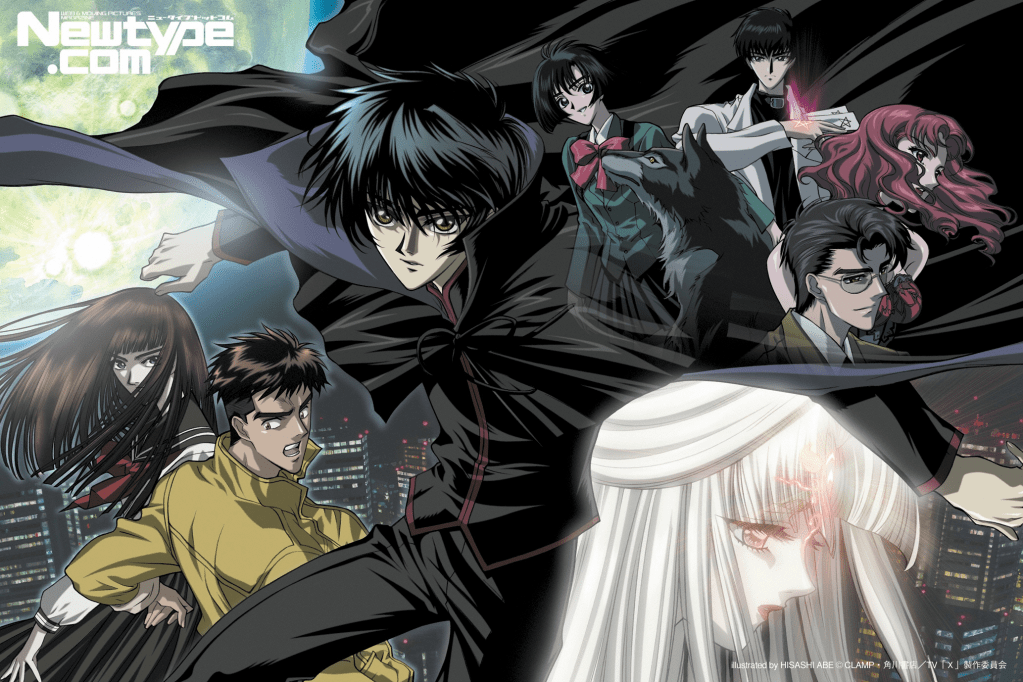
X is, in my personal opinion, by far the most underrated series created by Clamp. If you ever talk to any random person about Clamp, chances are, they will talk about other series such as Cardcaptor Sakura, Tsubasa Chronicles, Chobits, or xxxHolic. Sadly, you hardly hear anyone talk about X. Unless…
You’re talking about me!!! X is a splendid watch for anyone who’s looking for a dark action series that primarily revolves around the famous trope of saving the world vs destroying it. Being based on a shoujo manga, X implements tropes familiar with those who are fans of it. However, in spite of that, X was able to attract a male audience thanks to it’s slick edgy aesthetic that revolves around action and a heavy in-depth take about the development seen in male characters.
Speaking of characters, the main theme that makes X a fun treat to watch is the concept of destiny, the moral topic of what defines good vs evil, a heavy use of religious themes familiar to believers such as Christianity, and Judaism, and the awareness of environmental ruin that plagues the world. Sadly, the manga has been on Hiatus since 2003, and the reason for that was due to constant controversies the series found itself over and over again.
Despite this, X is still worth watching, and even though it follows an original script after the first 10 episodes, it mostly sticks to what the manga is about, especially the last episodes, so it’s definitely not a waste of time. If you are looking for that type of anime, then X is for you!
2002: Rahxephon (Winter 2002)
If you ever had to ask me which is my second favorite genre of all time in anime, which is behind romance, then it’s the mecha genre. In my opinion, mecha is the most important genre of all time, and has defined the history of anime as a whole. Rahxephon is just one of the many.
If you are the baker, and you had to make something that mixes the ingredients of Reideen the Brave, and Neon Genesis Evangelion, then you get Raxpehon. An underrated buried piece of gem from the 2000s, the anime implements themes that many mecha watchers, myself included, are well familiar with. The struggles of personal growth and confronting destiny, the unprecedented power of romantic love, parallel worlds which function as opposites, and the important role that music has in human beings. Rahxephon is filled with deep symbolic meanings one will properly have to interpret themselves. Believe me when I tell you it’s that deep.
Another notable aspect of Rahxephon is the use of the real robot genre mixed with the use of the super robot genre. While Rahxephon itself isn’t a super mecha oriented anime which you see in the likes of other mecha anime from the 2000s like Code Geass, or Fafner, it is still a worthy watch for the mecha fan as the mecha machiness themselves still take an important role in the anime and is filled with awesome and slick designs. From Rahxephon, to Vermillion, and plenty of more.
If you like deep anime with an emphasis on character development and looking to try out a mecha anime, then this anime is definitely for you!
2003: Rumbling Hearts (Fall 2003)
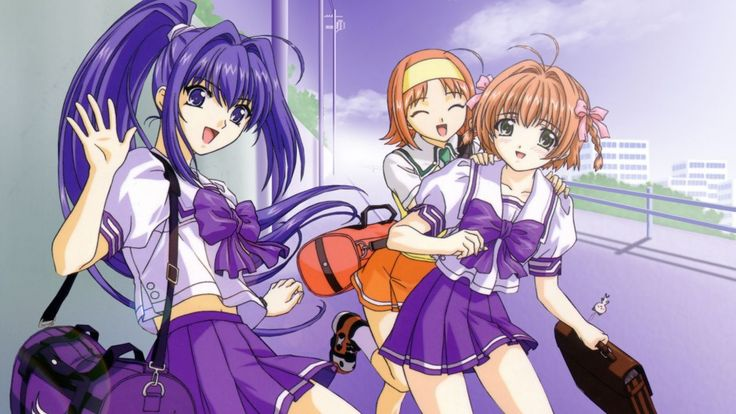
Unpopular opinion: Rumbling Hearts is arguably the saddest romance anime ever that aired in the 2000s. A lot of people like to say it’s Clannad, and while I am inclined to agree, this anime, you see right here, in terms of the romantic touch, will punch your gut like you never saw it coming.
If you’re the type of person that enjoys romance anime with heavy drama, heartbreaking stories, and an intense romantic touch that many have experienced, then this anime is definitely for you. Rumbling Hearts isn’t just a romance anime, it’s an experience guaranteed to make you remember it for the rest of your life. Not to mention the anime’s heavy presence of having 18+ topics of romance that you rarely see in anime. In other words, Rumbling Hearts doesn’t want you to hide behind escapism.
Rumbling Hearts can also be described as a lesson for viewers. This anime deals with heavy themes, such as tragedy, grief, PTSD, the duality of loyalty and kindness, and it’s horrific consequences if not done correctly. The anime also deals with the concept of time moving forward while one stays behind caused by an accident, the sensual, but yet, wrongly acts of infidelity, and the gut-wrenching contrasting of high school innocence vs adulthood realities. So, to put it in a nutshell, if you’re a romcom watcher who likes to watch the feels-good romance anime, then this anime may not be for you.
But, if you’re a hardcore drama oriented romance anime fan looking to go depressed, not hungry and go sleepless for weeks caused by sad romance anime, then this one is for you! However, keep in mind, please strongly think twice before watching this anime, because, let me remind you, this anime kept me depressed for a while. So, think about it before you watch it. Either way, I think you should!
2004: Genshiken (Fall 2004)
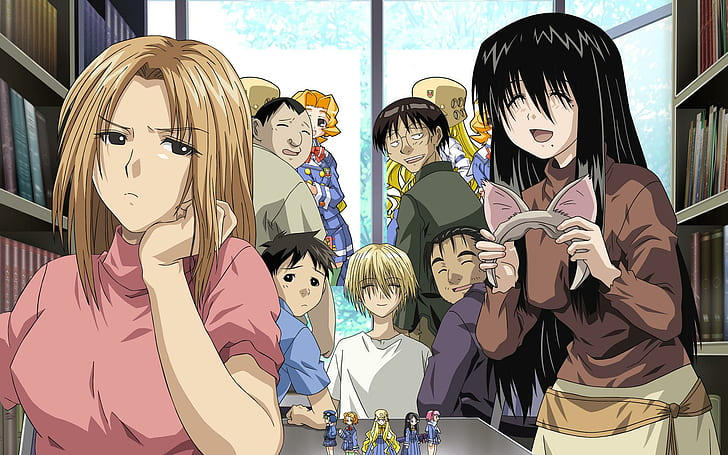
The year 2004 could be well described as a turning point for the otaku culture. After decades of suffering from stigma in the 1980s and 1990s, being an otaku finally began to enjoy recognition by mainstream Japanese society. Thanks to the Japanese drama, Densha-Otoko, and, the other anime, known as, Genshiken. Aka, “The Society for the Study of Modern Visual Culture”.
If you ever wondered where my inspiration for my otaku life came from, then you can thank Genshiken for that. This anime is the ultimate textbook definition of an anime made specifically for the hardcore otaku looking for all things that only us the otaku understands. Anime on TV, check. Manga doujins, check. retro games, check, Figurines, check. Cosplay, check. Conventions, check. Anti normie sensibilities, check! In other words, Genshiken is the complete package for the otaku and strongly recommended for those wanting to dive into our awesome otaku world! (Even if you’re a borderline normie).
Perhaps one of the most notable themes about Genshiken is the concept of acceptance. In other words, Genshiken is primarily about one accepting who they really are as a person, and what they embrace and feel so passionate about. Genshiken deals with the struggles of when society negelcts and expresses stereotypical marginalization of other community’s passion for something considered immature and dangerous. When in reality, it’s a life full of joy and happiness. What I loved about Genshiken is the struggle and contrast of the otaku life vs the normie life which causes conflict and misunderstanding even those closest, and the power of how a few individuals sharing the same passion can create not only a lasting friendship, but a romantic expression only understood by those of the niche. For an anime that aired during the mid 2000s, I’d say it was ahead of it’s time.
I’m sure we can relate to all of this, because, this happened to me as well. If you are looking for a hardcore emphasis on what happens when one’s love for anime, manga, and gaming is brought to life through the power of subcultures, then please, watch this anime ASAP!
2005: Eureka Seven (Spring 2005)
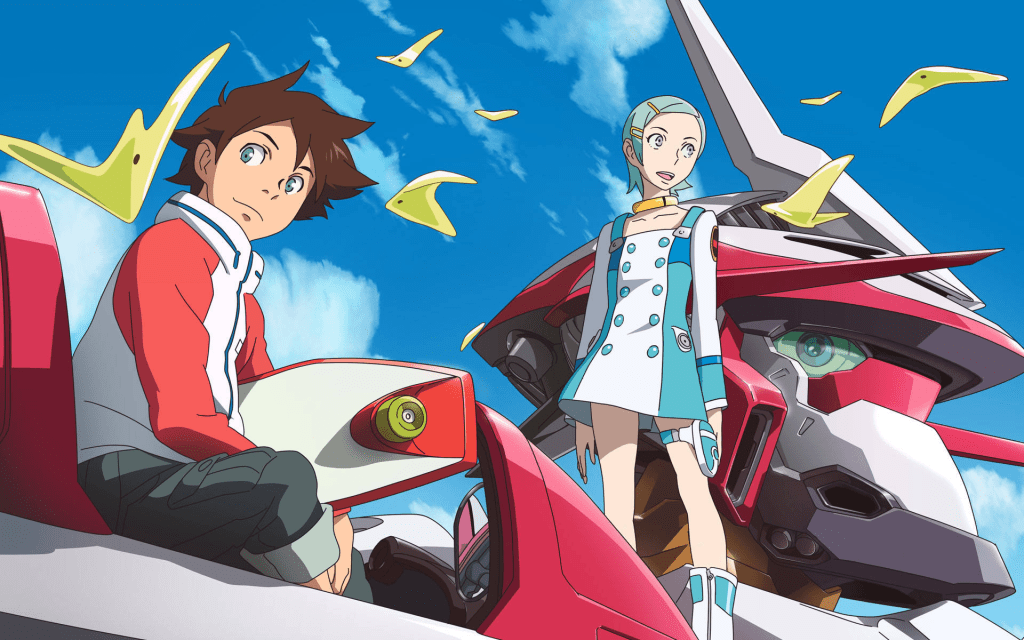
Fun fact, I didn’t really enjoy Eureka Seven myself at the time as I found the anime’s pacing and character development tedious at the time. However, as time passed, I began to appreciate the anime more, and I realized that Eureka Seven is a lot better then I remembered it being when I first watched it.
Eureka Seven has one of the most unique concepts for a mecha anime. Remember when I made the joke about mixing Reideen and Evangelion for Rahxephon? Well, I can say the same thing about Eureka Seven. If you mix the ingreidents of After War Gundam X, and Neon Genesis Evangelion, then you get Eureka Seven. However, unlike Rahxephon, Eureka Seven’s concept of it’s mechas take a significant role in the anime. Eureka Seven also implementes themes considered complex and different among the viewers that mecha fans myself are well familiar with.
On to the topic of what Eureka Seven’s revolves around, the anime itself focuses specifically on an already familiar trope that most people have seen. The themes of romantic love between mutuals where one is from the odinary and the other from the unknown. A coming of age story where it first begins with naivity, then followed by maturity. Similar to most mecha anime, Eureka Seven focuses heavily on the relationship between the pilot and the mecha itself. Family, anti war, and the exploration of the environment also take a sigifnicant role in Eureka Seven’s plot. Eureka Seven also has a notably niche theme of musical subcultures from the 1980s and 1990s. Interestingly, titles of the episode are titled after actual songs from those two decades.
Even if you are not a mecha fan, I can definitely be certain that you will enjoy Eureka Seven to the maximum. In fact, you’ll probably enjoy more then I did. If your a mecha fan, then your in for a treat.
2006: Kanon (Fall 2006)
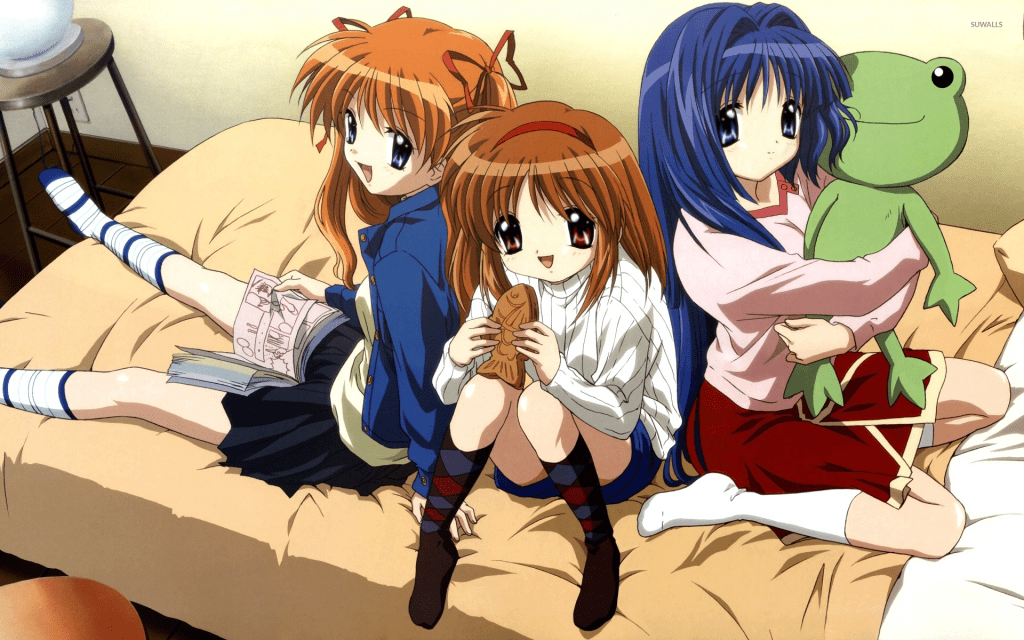
Disclaimer, there are two versions of Kanon, the first one from 2002 by Toei Animation, and the second one from 2006 by Kyoto Animation. The 2006 version is obviously superior, but, in my opinion, you shouldn’t sleep on the 2002 version either.
How can I not recommend you my favorite anime of all time? (For fifthteen consective years BTW). Believe it or not, Kanon quite underrated. Although us older generation of anime fans know Kanon, you’d be surprised about the anime’s lack of popularity among newer anime fans. Up until Ocala Anime-Fest 2026, I never knew anyone outside the internet who watched and liked Kanon.
Kanon, like most romance animes of the 2000s, and especially if it’s made by Key, is nothing short of a masterpiece. Kanon has everything that makes a romance anime enjoyable. Do you enjoy an emotional story with a mixture of light hearted humor, but also marred by dark deep emotional experiences that leaves one lingering with happiness and sadness at the same time? Do you like the concept of supernatural themes and the aesthetic of winter themed love mixed with a heavy emphasis on the envioremental atmosphere surrounding it? Well, that’s what Kanon is about, and that’s what the anime does so brillantly in.
Perhaps what made me love Kanon so much is using the concept of childhood romance. As you know, that trope seen in romance anime is a popular one, and usuage of childhood friends turned into lovers is the focal point of the anime. The theme of Kanon is all about promise, memories, loyality, dealing with a tragic past, the impact of mutual love, and the envioremental themes around it. In other words, if Air is about being expressive, and Clannad about family love, then Kanon is very much about emotional memory. What makes Kanon amazing is how this anime blends in a story filled with some light hearted comedy, but at the same time, heavy dark seriousness that many romcoms fail to accomplish. Not to mention the stunning and beautiful soundtrack that plays in the anime. Classic Kyoto animation design quality from the 2000s is another reason why this Kanon is an amazing to watch. Kanon, in my opinion, is the essential perfection of 2000s romance anime, and alongside Clannad, represents the peak success that adult visual novel anime adaptions in the 2000s enjoyed during that decade.
So, please do me a favor, and watch my favorite anime of all time. I promise you that Kanon will not let you down. If you loved Clannad which is the standard de-facto for romance watchers, then you will love Kanon as well.
So, please do me a favor, and watch my favorite anime of all time. I promise you that Kanon will not let you down. If you loved Clannad which is the standard de-facto for romance watchers, then you will love Kanon as well.
Also, if you did enjoy it, then lets talk about it please! I enjoy talking to fellow Kanon fans, since, you know, I hardly ever do! (Uguu!!)
2007: Sola (Spring 2007)
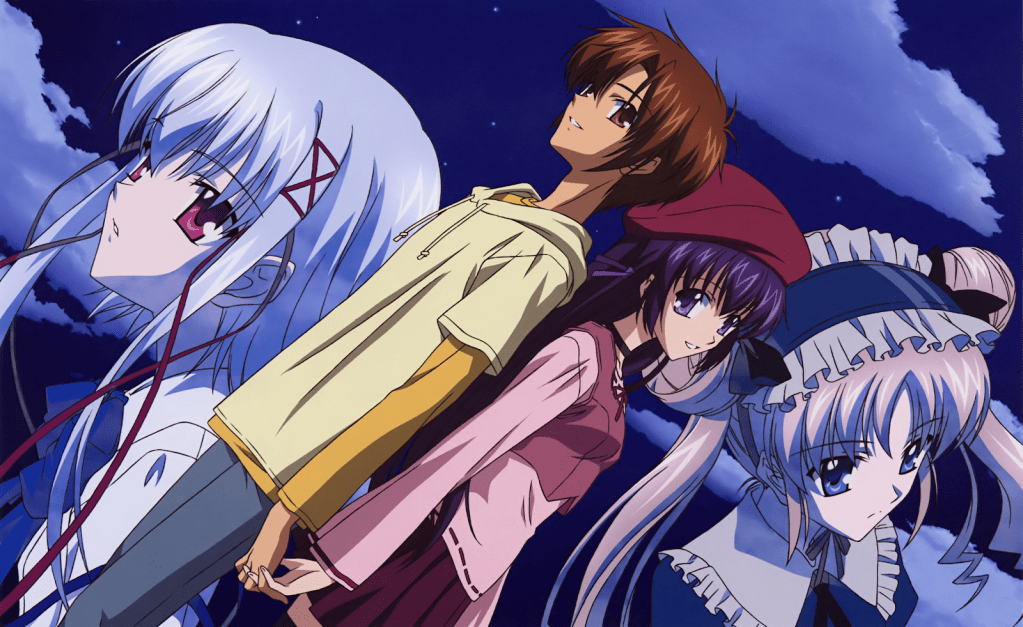
Speaking of Kanon, here’s another romance anime from the 2000s that I can fully bet you have never heard of! Fun fact #1, according to a Japanese poll conducted by the end of 2007, this anime was voted one of the best animes ever during that year. Fun fact #2, did you know that well famous seiyuu, Nobuhiko Okamoto, began his debut in Sola? However, the big question is, what is Sola about?
Written by Naoki Hisaya, the same mastermind who wrote my favorite anime of all time, Sola is another supernatural anime that puts a heavy emphasis on a familiar concept found in most romance animes. A unique concept that Sola does, that once again, very few romance anime do, is how Sola’s story is hardly dark but very deep at the same time. Watching this anime gives you the disclaimer that it’s no joke either. Sola excels very well in purely focusing on a emotional romance story with the backdrop of having elements incorporated that revolve around mystery, and the importance of when a distant past and the modern day present are mixed together. The romantic touch of the anime is very strong, and does very well in potraying mutual love and aesthetic beauty as something important for the anime.
Another important factor to consider when watching Sola is it’s themes. Sola focuses heavily on the concept of memory, romantic love between individuals, the consequences of dangerous jealousy, the sad imitation of supernatural illinesses that emulate the real ones, the painful brutality of lonliness, the hardship of a haunted past, and the struggles of living one’s life without their loved one. However, as I said before, Sola is hardly dark, but it’s a deep romance anime to watch as well. Expect a rollercoaster experience when watching this anime, but, I’d argue that’s what makes Sola a fun-watch.
If you have a knack for these tropes, then Sola is definitely a recommended watch for you.
2008: True Tears (Winter 2008)
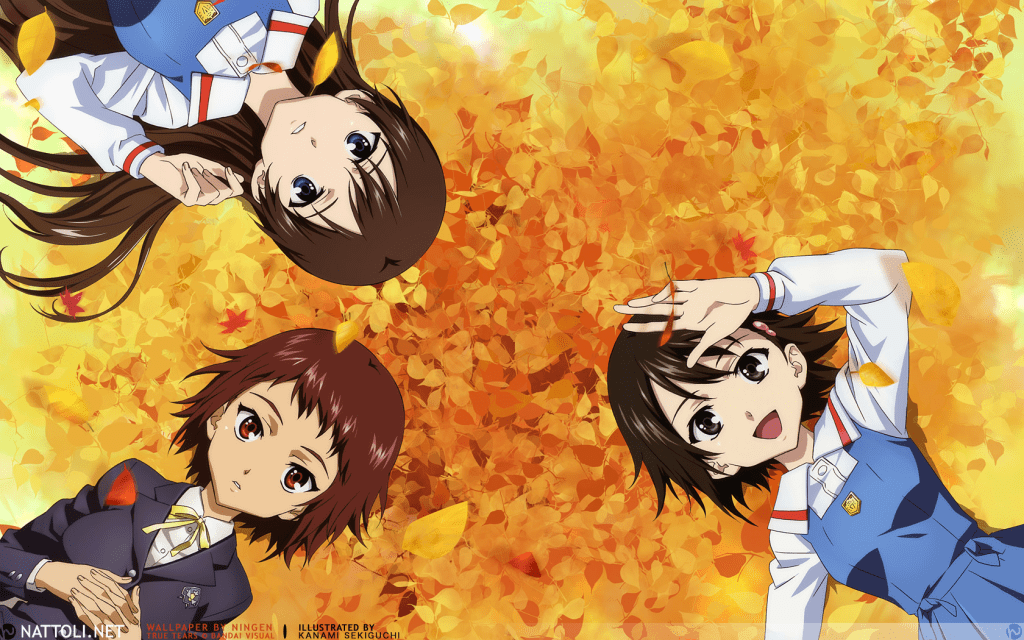
Back to back romance animes? I might as well make this article a 2000s romance anime recommendations list instead right? Well, your kinda right, but, at the same time, can you blame me when literally one of the most popular animes during the 2000s, were usually romance animes?
Anyway, here is another awesome 2000s anime to watch, and it’s True Tears. Written by well known anime writer, Mari Okada. I’m pretty sure you are well familiar with her. Long before she became well known for her future works on anime such as Toradora, Anohana, Gundam Iron-Blooded Orphans, and Maquia, True Tears is often regarded as her first breakthrough debut as an anime writer.
True Tears is the texbook definition of a perfect teen romance drama. Basically, True Tears is everything that teenagers do when they like someone, but 90% of their actions are based on stupidity rather then rational choices, which I find that completely okay because that’s how love stories are supposed to work in real life. Romantic love, emotional touch, back to back drama, and character-orinted stories is exactly what True Tears has in store for you.
One of the core points about True Tears is how the anime sucessfully deals with numerous themes found in other high quality romance anime. Sure, while many do that, I feel like True Tears is one of the few that does it brilliantly. The theme of True Tears deals with themes like emotional duality, false emotional display in front of close ones, love triangle, heartbreak, and hidden metaphor that leaves a trail of symbolism shown in the anime. True Tears also deals with having a light side that leaves viewers emotional, but not in total despair and distress like Rumbling Hearts did. In other words, it’s classic Mari Okada love stories that many of us enjoy.
True Tears isn’t just another anime to watch, it’s a worthy treat that I’m 100% sure numerous watchers, especially romance fans, will enjoy to the maximum!
2009: Phantom: Requiem For The Phantom (Spring 2009)
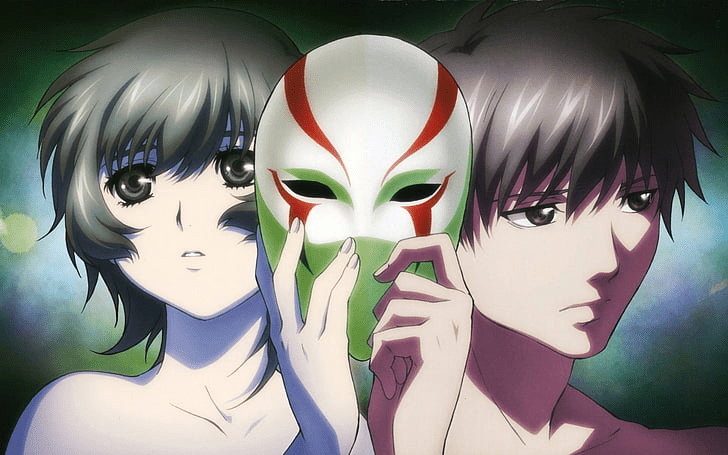
One of the beautiful things about anime in the 2000s is the insane amount of hidden gems that one can find. Sure, I get it, other decades of anime such as the 1980s, 1990s, and today, have hidden gems as well, but something about the 2000s’s hidden gems makes it special. Not just in quality, but the amount as well.
Introducing Phantom, Reqiuem For The Phantom. Similar to True Tears being considered Mari Okada’s breakthrough, Phantom can also be considered by well known writer, Gen Urobuchi, as his first breakthrough as an anime writer in terms of anime on teleivision. I’m sure you are familiar with his works. Numerous acclaimed anime shows, such as Madoka Magica, Fate/Zero, and Psycho Pass are examples.
Phantom is probably one of the most unique anime shows I have ever watched. Phantom uses a concept and theme that you often don’t see in anime. Crime, mafia, neo noir, thriller, the underworld, and notably, this anime pays a huge homage to numerous well known Hollywood works, like Scarface for instnace. Not to mention the strong and profound influence of the Americana in Phantom.
One of the core themes that Phantom specifically deals with is the concept psychological suffering of cruelity in the world of crime. The loss of human innoncence, the evils of brainwashing vulnerable individuals through memory loss while turning them into cold-hearted assassin machines for the sake of an ideology. Unlike most crime fiction, Phantom’s potrayal of crime is purely dark, and has no glorification whatsoever. Hardly any comedy is shown, and the emotional theme of guilt and reget is brutality seen constantly in the show. Phantom is notable for having a theme of doom and despair, but maintains a normal atmosphere that doesn’t take it to the next level. Meaning, in spite of the bad stuff, it’s still watchable and does not contain shock factor that leaves one paralyzed to continue. Although the anime is filled with tons of plot twists.
If you are looking for an anime that’s completely outside of the typical common setting you see everywhere in anime, like school settings, or fantasy settings, then Phantom is definitely for you. You will absolutely love it!
Coming soon: #2
Well my fellow otakus, I hope you enjoyed my random 2000s anime recommendations. Stay tuned for more recommendations! I got plenty of 2000s anime to recommend!
 Animangemu
Leave a comment