Disclaimer: I have no interest in Lolicon/Shotacon. I am 100% against all cases of abuse and exploitation against children, both physically and material wise, and I fully support and advocate for their protection and safety.
NOTE: Common words based on the topic of this article will use alternative words to avoid controversy or unfair cuts due to issues and incidents with companies.
It was the year 2006. During that year, anime airing on American television stations, most notably, Toonami/Adult Swim, were rocking the country. Anime hits like Naruto, Bleach, and other anime were taking the American otaku world by storm. Anime con attendances were rising, distributions were increasing, and popularity of anime and manga as a whole, thanks to the rise of fan subs on the internet, and the numbers were significantly rising in numbers. In other words, it was a turning point for American history of anime and manga. Meanwhile in Japan, often regarded by many (including myself) as the greatest year in anime history, saw the airings of a great amount of legendary anime during that year. The Melancholy of Haruhi Suzumiya, Death Note, and Code Geass. All aired on that same year, and to this day, are still beloved among both the otaku, and the mainstream viewer. As of today, such legends are still talked about as if they were brand new. Also, my favorite anime of all time, Kanon, aired on that year, and is still my favorite even after 14 years when I first watched it back in 2011.
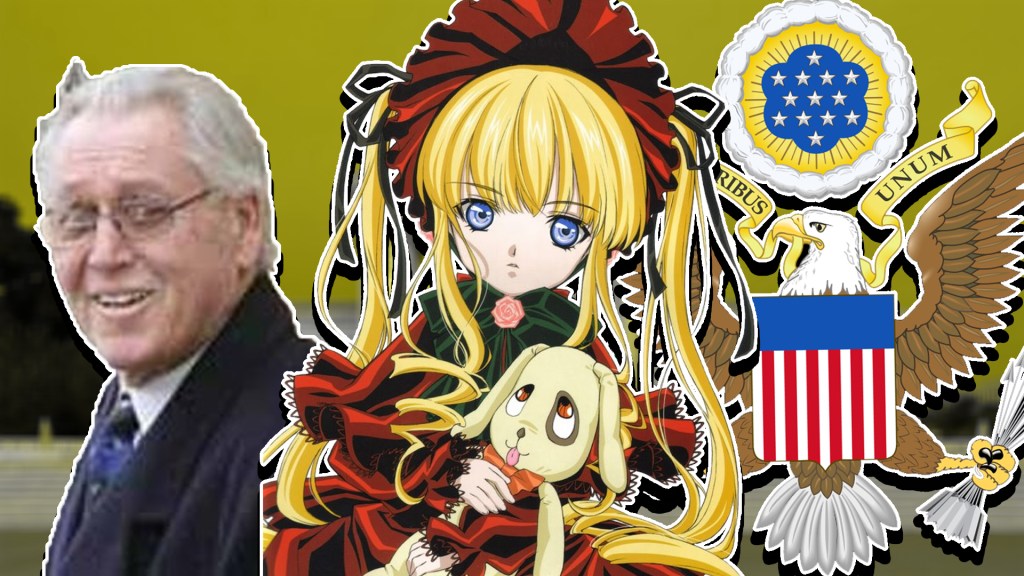
But would you believe me if I were to tell you on that same year, a legal case was about to commence in 2006 that would not only rock much entertainment based communities, like comics, cartoons, movies, TV shows, and, yes, anime and manga as a whole, but an entire legal system here in America? In May 2006, a case known as United States v. Handley was about to occur that would become a cautionary tale for otakus, anime and manga fans, and fans of fiction like comic books, and cartoons in general.
Continue reading
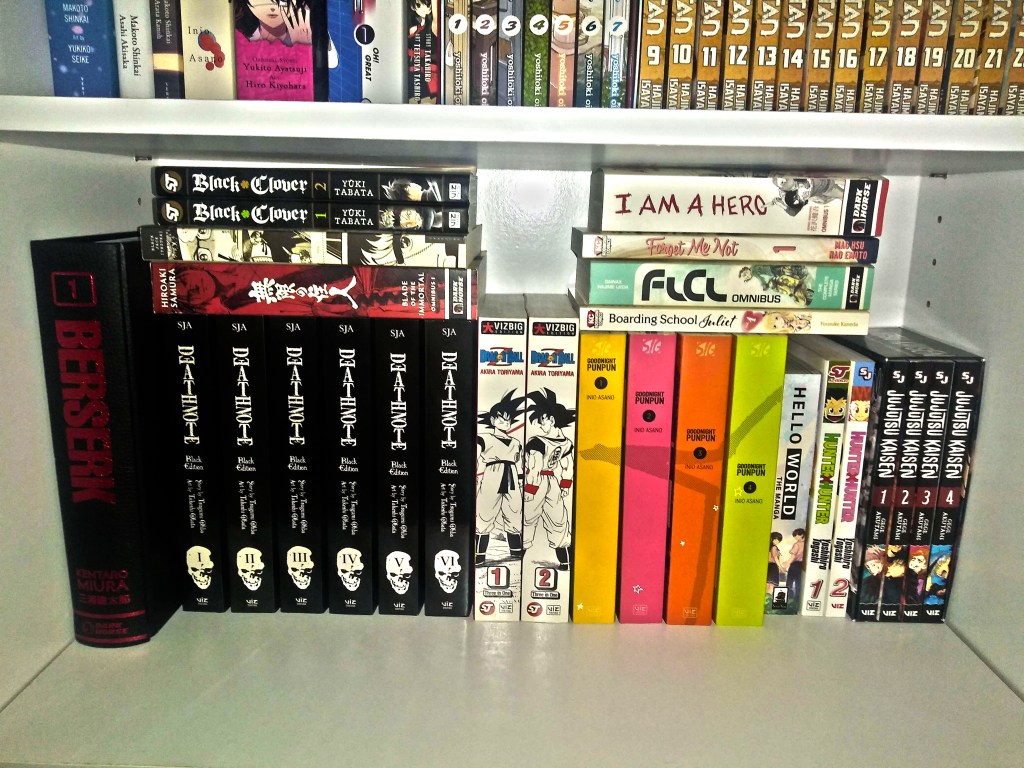
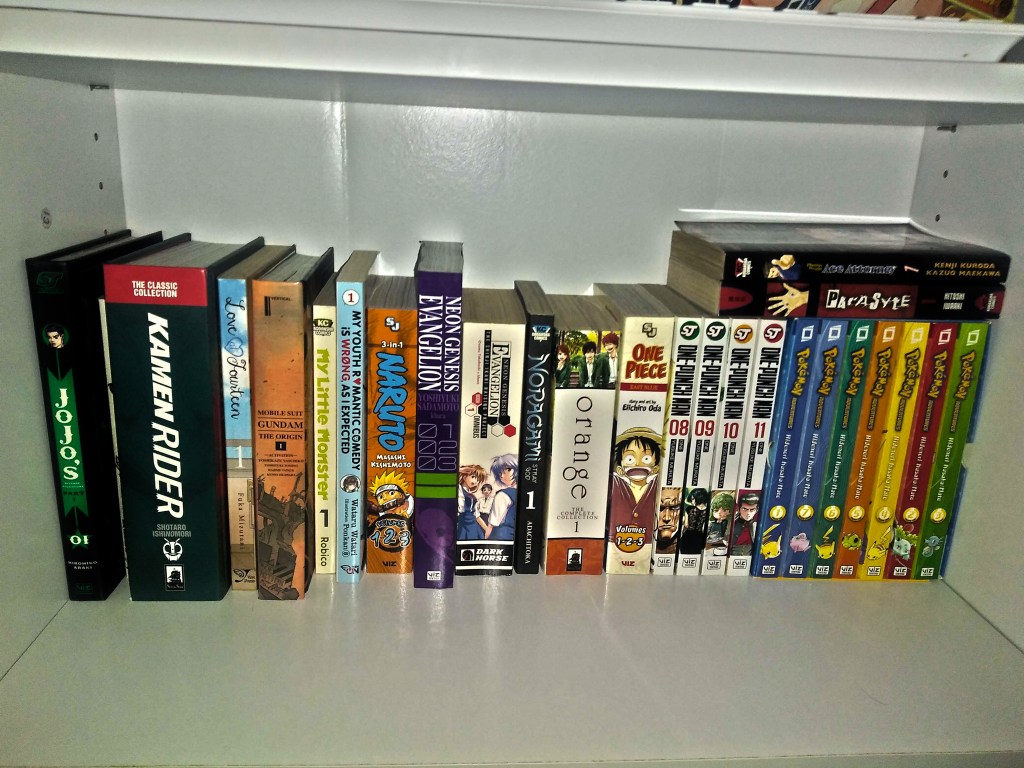


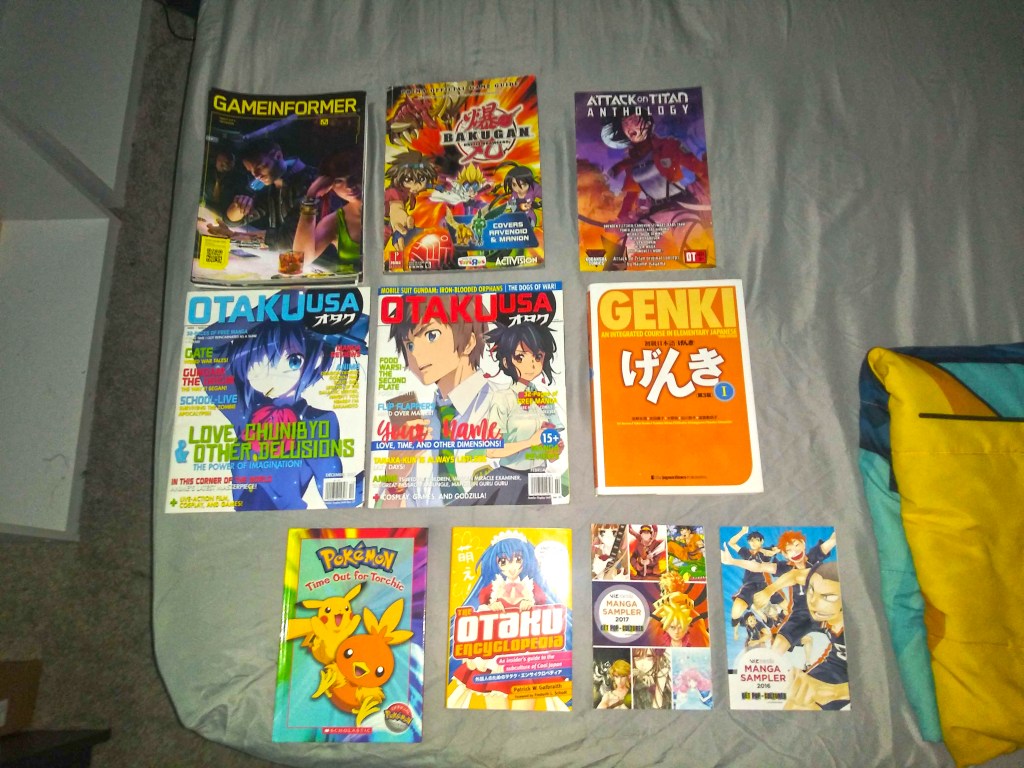

 Animangemu