
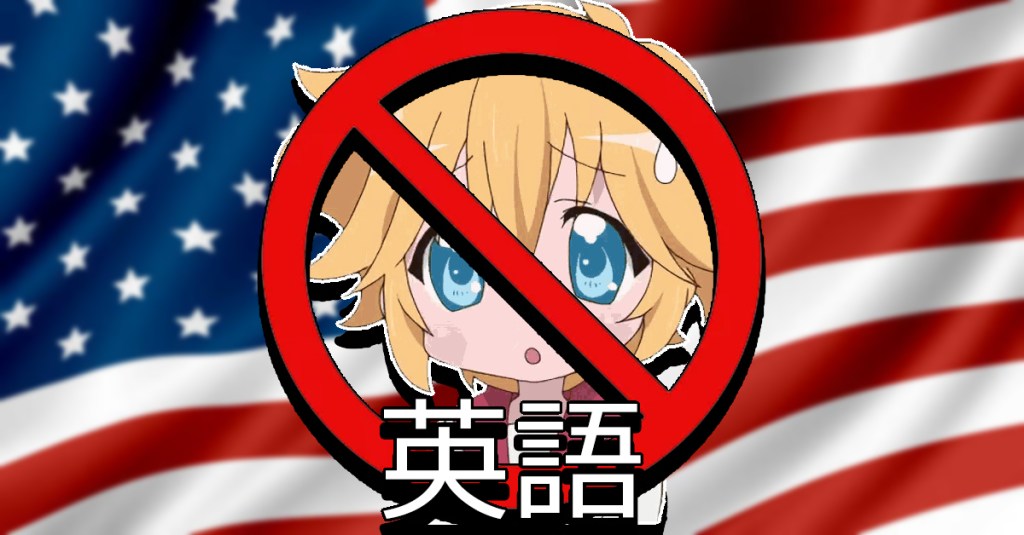
The oldest and most controversial debate in anime history is a divisive and polarizing one. The question is, do English dubs deserve the hate it gets?
The anime community is no stranger to controversial discussions. People in the community often argue about basic topics that are rife among those in it—ranging from questions such as which was the better “Big Three” (One Piece, Naruto, Bleach), who is the best girl in some newly released seasonal anime with only twelve episodes that will be forgotten 45 minutes after it finishes airing, whether Neon Genesis Evangelion is a deep anime with hidden themes or just a pretentious series that tries way too hard, and of course, modern anime vs. old anime.
However, if there is one topic that always seems to cause a ruckus without fail, it’s the topic of English dubs! There’s no denying that the intense and heated debate about the quality and concept of English dubs is, arguably, the most well-known and oldest topic in the history of the English-speaking anime community. The question you’re probably asking is, why is the concept of English dubs and their practice so controversial?
In this article, I will be talking about the short history of anime dubs, the long-standing controversy, and why the practice of English dubs suffer a bad reputation to this day.
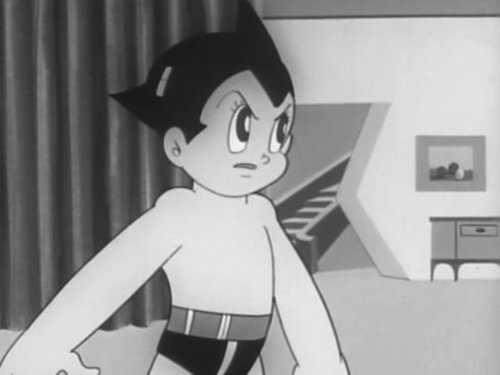
English dubs, as you all know, is the industry practice of voicing an anime from Japanese to English. The practice of English dubs has long existed, starting with Panda and the Magic Serpent’s American theater release in 1961, three years after it was first released in Japanese theaters in 1958. However, a more notable English dub that was released during the very earliest period of American anime releases was Osamu Tezuka’s famous Astro Boy, which premiered in 1963. Even though it exists as one of the oldest English dubs in anime history, it is also one of the most controversial and divisive English dubs ever, as the dub is mostly remembered for its stereotypes of Asian Americans according to some. Nonetheless, Astro Boy’s dub is still regarded as a milestone for the English dub industry, as it opened the doors to English dubs in anime.
Following Astro Boy’s success, other notable anime from the 1960s and early 1970s—such as Kimba the White Lion, Speed Racer, and Gigantor—were dubbed into English while also being heavily Americanized to target audiences, including cutting down on so-called “violent content.”
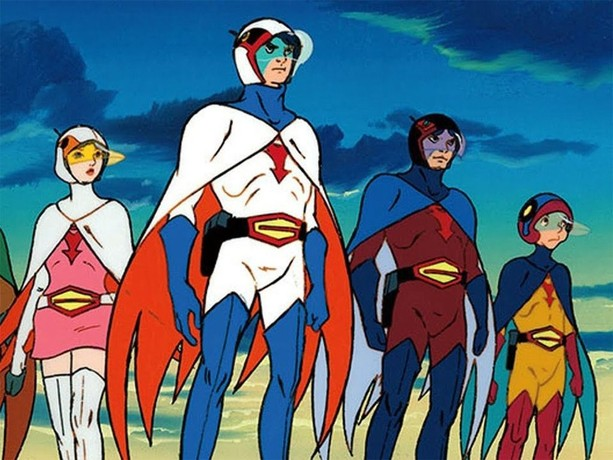
However, it was not until later, in the middle half of the 1970s, that more anime began to receive English dubs. Starting with Gatchaman, which in English was called Battle of the Planets, and Space Battleship Yamato’s English adaptation, Star Blazers, both receiving English dubs as well. However, like in the 1960s, anime dubs in the 1970s also suffered from censorship, edits, and Americanization to appeal to American audiences.
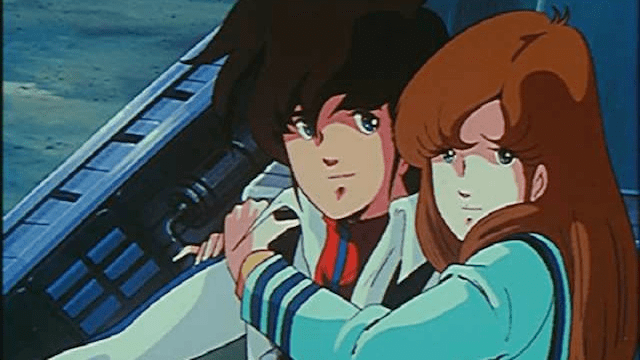
The 1980s could be described as the first decade when English dubs began to fully penetrate American entertainment and the US anime industry as a whole. The first notable English dub that is well known and remembered by many is the English dub of Macross’s English adaptation, called Robotech. Although the series is well known and praised for its quality and for spreading awareness of Japanese animation, it is also polarized among fans for its heavy localization—including changes to the script, the removal of deep political themes, and the elimination of Japanese cultural references. In fact, it was so controversial that in 2004, in a documentary called Otakus Unite!, one of the production members of Harmony Gold recalled a memory when Robotech fans went ballistic on him for those edits, and the reception turned extremely negative.
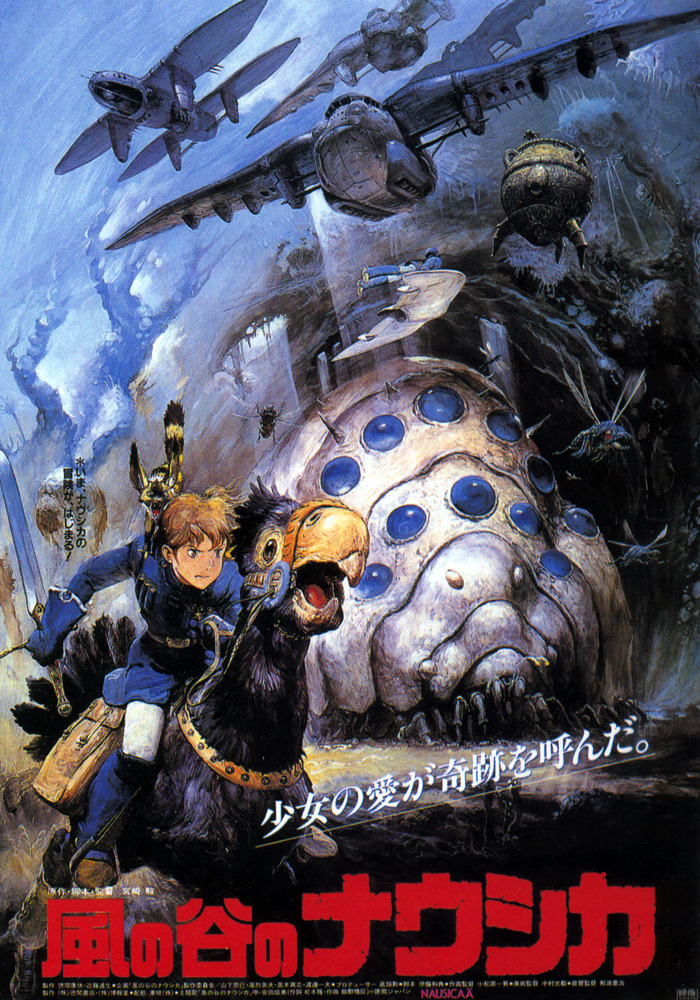
I’m not kidding you, this was how the English version looked like… Truly out of place.
Another example of controversial practices by English licensing companies was Nausicaä of the Valley of the Wind. Also known as Warriors of the Wind in English, it is infamously remembered by many for New World Pictures’ butchered edits—cutting 20–30 minutes, changing the plot and ending to an action-focused theme, and removing important themes that were originally intended by Hayao Miyazaki’s script, like its environmental themes. They even swapped Nausicaä out for male characters on the cover. That’s how bad it was… Hayao Miyazaki was so furious that he insisted on better handling for future foreign releases (leading to improved Ghibli distribution later).
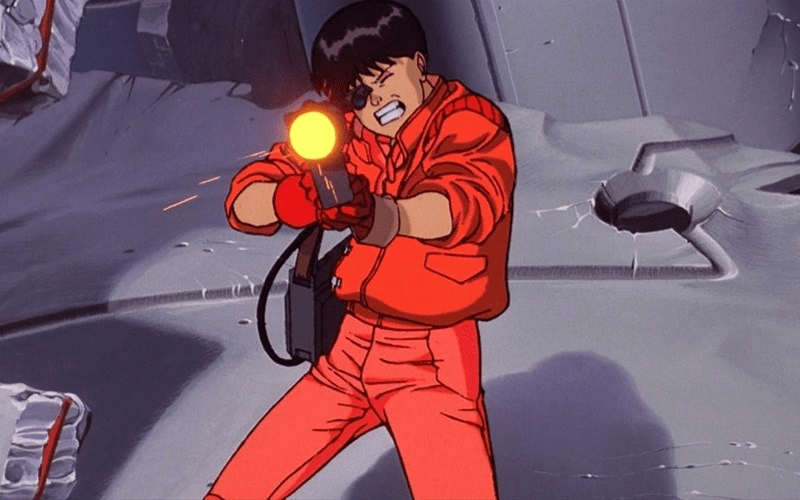
By the late 1980s, there was some slight improvement with English dubs. Notably, Akira’s English dub. While not perfect, you could tell that effort was put into it. Unlike previous English dubs, Akira’s was free of censorship, maintaining the original Japanese script. However, it suffered from inferior quality, out-of-place New York accent voices, strange pronunciations, and weird lines. Nonetheless, it had a positive impact on audiences thanks to its mature, deep, and gritty adult-oriented themes that helped it gain a cult following and prove that anime could be viewed as a medium with dark, violent, and cyberpunk themes for adults.
However, in the 1990s, that began to change. Numerous companies that licensed anime in English, such as Funimation, ADV Films, and Geneon Entertainment, were established and began to dub anime that were—and still are—popular. Notable examples include numerous anime such as Dragon Ball Z, Sailor Moon, and Pokémon, which became prime examples of corporate companies producing English dubs. Another boost for English dubs was the emergence of anime available on VHS. Finally, perhaps the most notable factor in anime’s presence in America was its availability on television—partially thanks to Cartoon Network’s Toonami and Fox’s 4Kids Entertainment. Anime on television was a focal point in anime’s explosive popularity in America during the decade, especially with Pokémon on American television, which enabled the gaming giant’s franchise from Japan to compete with American pop culture icons like Star Wars and those of Disney.
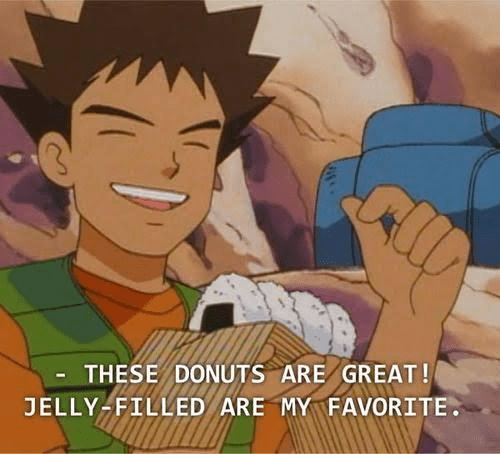
However, a glaring issue that anime in the 1990s still suffered from was the hard-line censorship that television networks enforced. Most infamously, 4Kids’ censorship. Prime examples include Pokémon’s “jelly-filled donuts” scene. Numerous anime that aired on television networks aimed at kids suffered from cultural erasure to fit American audiences. Nonetheless, the 1990s were important for English-dubbed anime.
Finally, in the 2000s, everything changed. For the first time, anime fans in the west were able to witness an era of quality dubs that not only matched the Japanese version, but even surpass it. A prime example was Cowboy Bebop’s English dub, which was dubbed by the now defunct Bandai Entertainment and aired on Adult Swim in 2001. Cowboy Bebop’s dub wasn’t just great, it was phenomenal, to the point that even today, Cowboy Bebop in English is still the preferred way to watch the anime. Of course, it wasn’t just Cowboy Bebop.
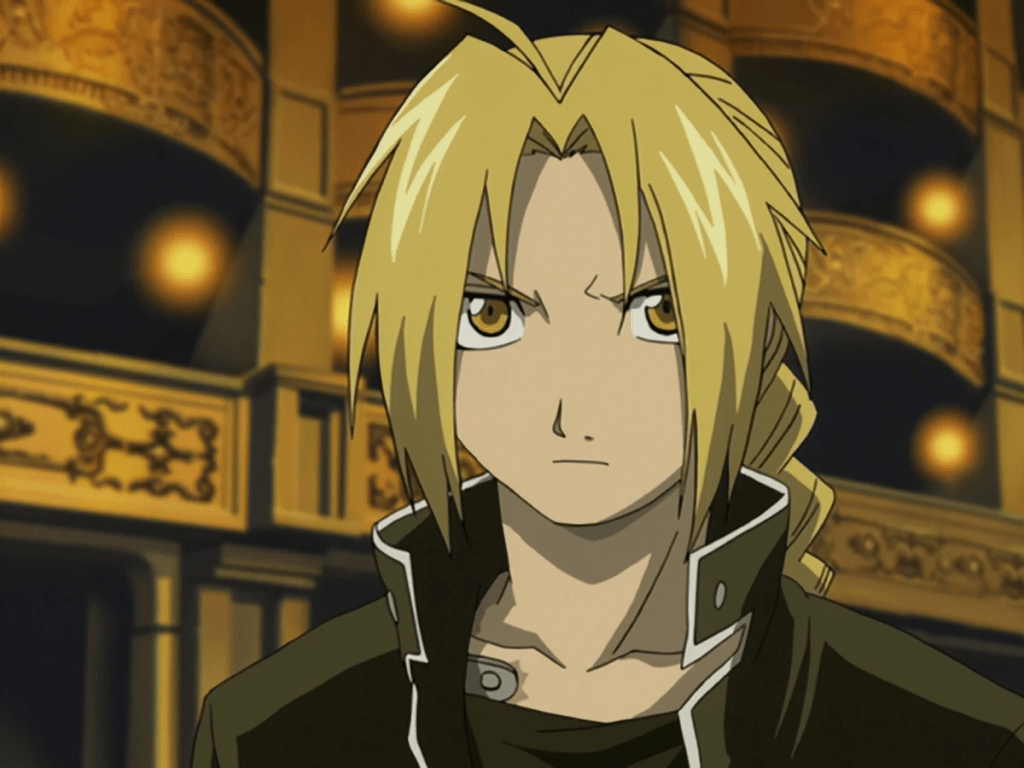
Throughout the decade, numerous well known anime such as Fullmetal Alchemist, Naruto, Bleach, Code Geass, Death Note, Gurren Lagann, Yu Yu Hakusho, Trigun, and FLCL, were instrumental in not only boosting the reputation of English dubs, but the entirety of anime as a whole.
Starting with the 2010s, the popularity of English anime dubs as a whole began to explode. Following the releases of popular anime such as Sword Art Online, Attack on Titan, My Hero Academia, and Demon Slayer, the quality of English dub were acknowledged as having significantly improved. Dubs were no longer viewed as the terrible inferior quality audio voices that were either ridiculed as either being low quality, or a meme, but instead, an alternative kind of voice acting in a foreign medium that can either emulate, or even be considered superior to the original Japanese audio.
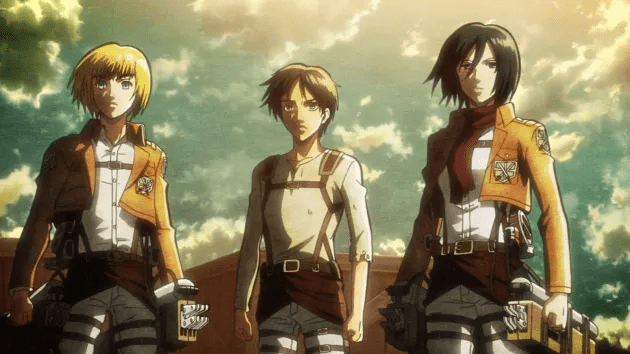
Here we are in the modern times, and notable anime, such as Jujutsu Kaisen, Chainsaw Man, and Dandandan, are examples of modern day English dubs that are well received by the audiences and are beloved among many as of today.
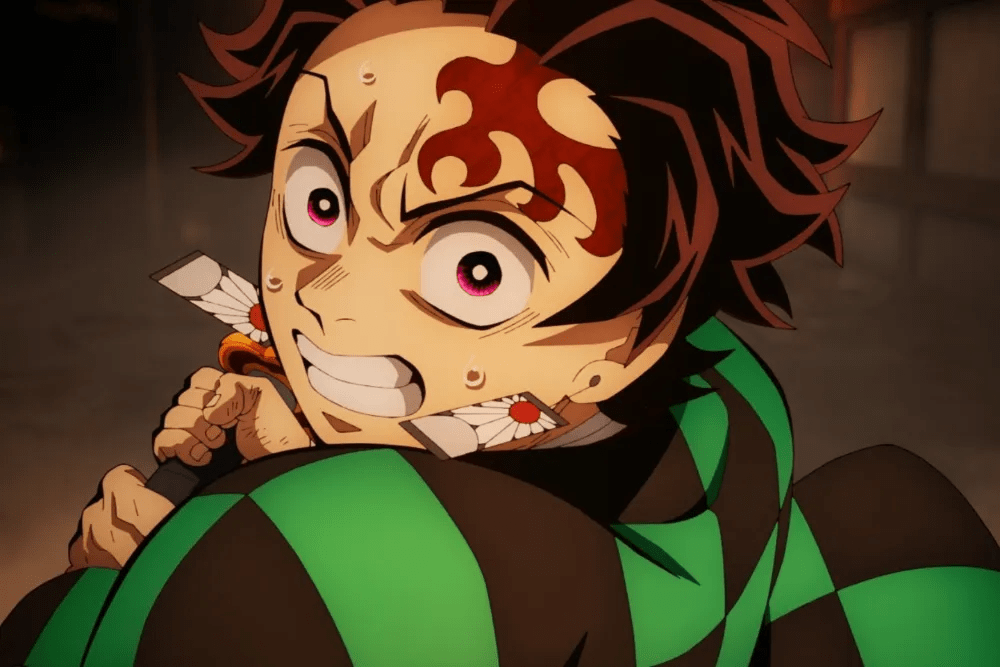
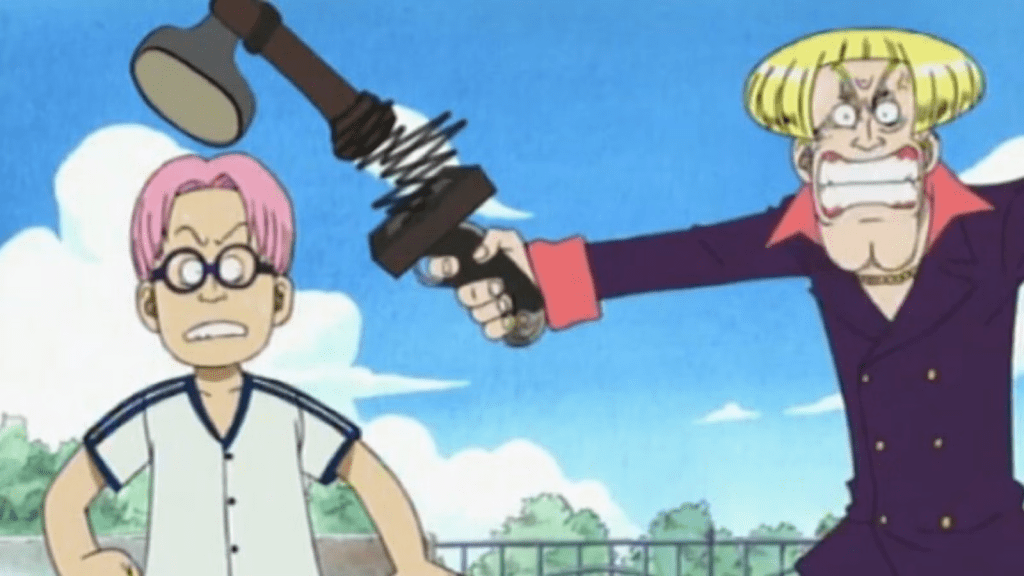
So, as you can see, the quality of English dubs has significantly improved. Truth be told, in spite of community polarization, it’s quite hard to find bad English dubs nowadays. The olden days of having to endure terrible dubs like those of 4Kids’s bad One Piece, or having to hear Brock say that nothing beats a jelly-filled donut, are long gone now. However, even though English dubs have tremendously improved, why is the practice still so divisive among many anime fans?
Bad Reputation: 1: Quality Issues
There is no denying that English dubs, even as of today, still suffer from a bad reputation among those in the community. One of the main critical points contributing to English dubs’ bad reputation partially stems from the terrible reputation that they have historically suffered. The first instance is that English dubs suffer from a poor history of low-quality dubs that either sounded terrible, were inferior to their Japanese counterparts, and worst of all, sounded completely out of place. No matter how good a modern English dub sounds and how finding bad dubs is mostly rare nowadays, this is a stigma that, unfortunately, dubs will always carry.
The problem isn’t so much because it’s based on pure ignorance, but more so the fact that the slow quality start for English dubs haunts the dubbing industry to this day. Low-quality dubs stretch back to the very beginning when dubbing started. The truth is, there was no actual improvement in English dubs—I’d say not until the late 1990s. The thing is, even then, dubs still suffered from low-quality voice acting that was atrociously inferior to the Japanese versions. Even with the improvements of dubs in the 2000s, fans still preferred watching the original Japanese version. This was made worse when the anime industry’s bubble burst in the late 2000s, which ultimately caused the decline of physical media in anime consumption as well as the disappearance of anime on American television.
Because of this, many watchers had to flee to the internet to find the anime they wanted to watch. During this era (and it still happens as of today), fans would watch the anime shows that were really buzzing. Popular anime at the time in the 2000s, like The Melancholy of Haruhi Suzumiya, Code Geass, Death Note, and long-running shounen anime like One Piece, Naruto, and Bleach, were mostly watched in Japanese by the community. Either the Big Three were way too far ahead in the English dub releases, or those watching the latest episodes simply had to resort to only watching in Japanese because, well, that was the only way to watch them. Sure, during this decade, Death Note’s, Code Geass, Inuyasha’s, Naruto’s, and Fullmetal Alchemist’s English dub’s were beloved and sometimes argued to be better than the Japanese version, but the cold truth is that those who preferred them represented a minority. Why do I say this? Because I was there, and I remember how hissy-fit and mad people would get on the internet when someone would either show a scene in dub or say that they watched an anime in English dub. Either you would get a snarky, snobby response, an angry insult, or—in less extreme cases—confusion and a warning that you may have missed out on the original, which, speaking of that, I’ll get to in a bit.
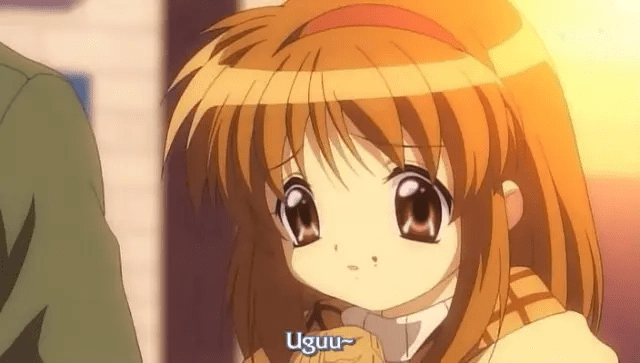
It’s not just quality issues that dub haters complain about, but also the failure to emulate the charm that the original Japanese version had. In other words, the English dub not being completely identical to the Japanese version. Many fans would complain that the voices didn’t suit the characters, failed to replicate the original Japanese version’s signature sayings, core moments that defined the character, or simply sounded terrible compared to their original Japanese counterparts. Many fans would enter a full-blown meltdown if the English dub either changed or removed a unique signature saying in Japanese that fans resonated with. For example, take Naruto’s “Dattebayo,” or Ayu’s “uguu~” from Kanon. Obviously, dubs can’t exactly emulate these lines because of language barriers and cultural nuances that mostly the Japanese audience understands, but not the English one. Because of this, many dubs would suffer flak from fans simply because they’re not like the Japanese version.
The stigma against fans of English dubs was overwhelming. Because of this stigma, some fans would hide their love for English dubs or simply give in to the narrative and hate on English dubs as well. Of course, there are cases where fans who got into anime through English dubs completely abandoned them when they discovered anime on the internet and watched them in the original Japanese. Why do I say this? Because I did it. I enjoyed dubs, but I have no use for them in anime anymore because I prefer watching anime in Japanese with English subtitles—especially more than ever since I’m still learning to speak and read Japanese.
Eventually, in the 2010s, the attitude toward English dubs began to change a little bit in a positive direction. Quality dub after quality dub continued to appear, and eventually, the heated debate between dubs vs. subs began to calm down a little bit. Even though the decade did have a good amount of English dubs, it was particularly thanks to mainstream hits like Attack on Titan, One Punch Man, and My Hero Academia that changed this negative landscape. The thing is, most of the appreciation for English dubs would mainly go to anime series that were considered mainstream among audiences. Niche titles that did have English dubs didn’t really get the recognition or the reinforced narrative that dubs have improved or are sometimes even better than the Japanese version. Many people would go on about how amazing Attack on Titan sounded in English dub, but not so much over Akiba’s Trip The Animation. This was made worse when streaming companies like Crunchyroll, Funimation, Sentai Filmworks, and Netflix would prioritize giving extensive marketing to mainstream anime with perfect English dubs, leaving many, including myself, wondering if English dubs really are acknowledged as no longer being viewed as bad. Either way, slowly but surely, the 2010s would mark a turning point for community opinion on English dubs.
Fast forward to 2026, and now one has to ask themselves: Are English dubs free from the negativity they once suffered? Dubs like Jujutsu Kaisen, Demon Slayer, Chainsaw Man, and Dandadan have taken the English dub quality to a whole new level. The 2020s have certainly been a time of major appreciation for English-dubbed anime. It was obvious, especially when the aforementioned titles had their movie releases last year in 2025 with their English dubs, which broke box office records. So basically, with this, there has to be some appreciation and the end of dub-hating activity, right? Right…?
Bad Reputation 2: Translation and Censorship
The quality of English dubs may have improved tremendously, but the same can’t be said for translation and censorship. You see, I’m pretty sure you know that English dubs have a notorious reputation for a long history of translation issues that either involved bad localization or horrible censorship that would completely change the script of an anime.
Now your probably asking? Wait, hold on a second, this practice still happens even as of today? Well, yes, indeed, but, not the 4Kids style that most of you remember, but way something else.
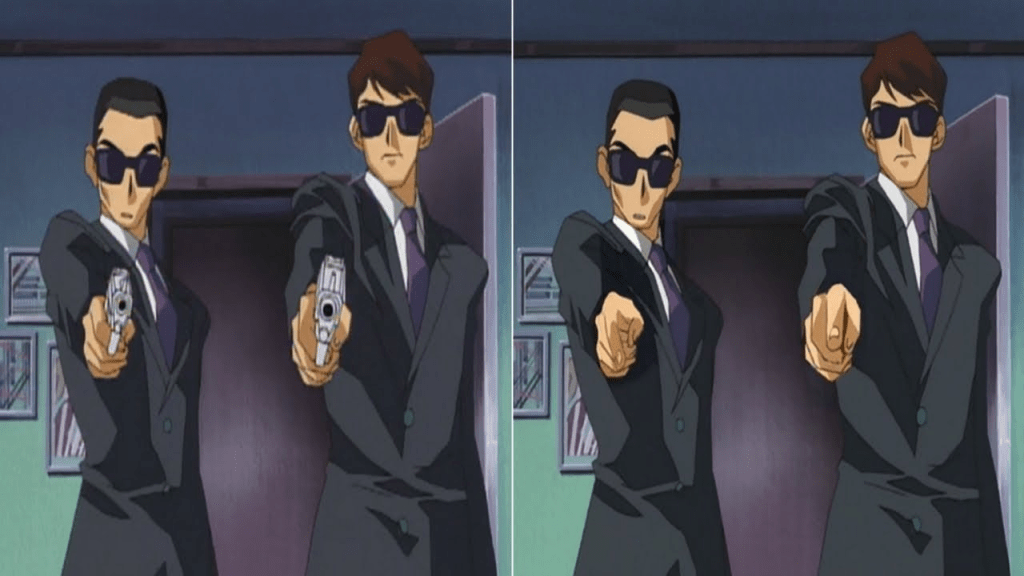
In the past, anime dubs suffered terribly from censorship issues. Either they would remove a scene, completely change the dialogue, remove cultural references, or rewrite the plot. The 4Kids dub of Pokémon was notorious for this; 4Kids removed tons of scenes and material that was considered part of the original script for Pokémon. The same could be said for One Piece, which, to this day, remains one of the worst and most infamous English dubs of all time. Constantly changed dialogue, censored scenes that the original Japanese version had, poor voice acting—and it mostly just felt out of place. The Yu-Gi-Oh! franchise was another that suffered terribly from 4Kids’s censorship practices. Some of these censorship practices would focus on toning down so-called “violent scenes” and removing content deemed suggestive for audiences. The same could be said for basically every anime that 4Kids dubbed.
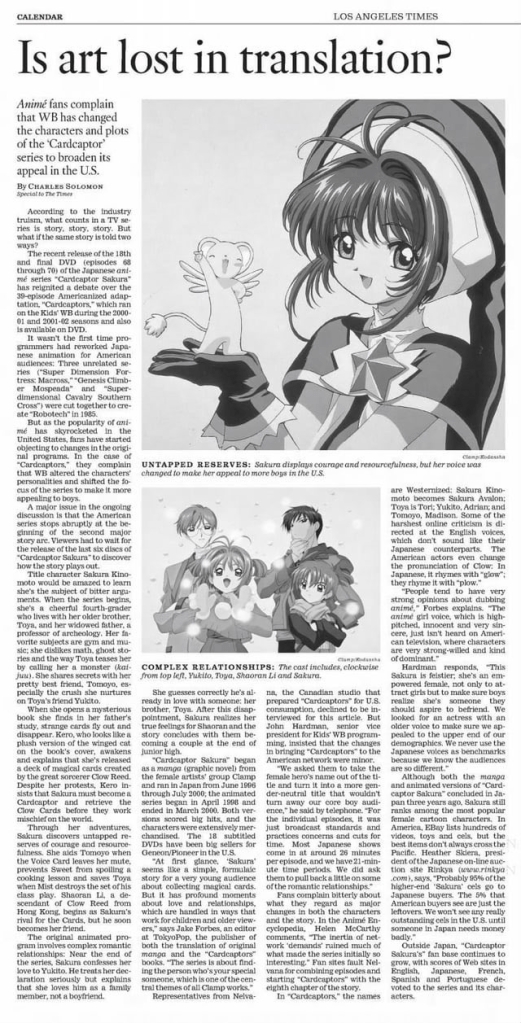
It wasn’t just 4Kids; other networks that catered to children had to basically do the same thing. Even though their approach wasn’t as bad as the way 4Kids did it, censorship is still censorship either way. Cardcaptor Sakura was one example of this, with the removal of homosexual implications between the characters, and this also applies to Sailor Moon. Dragon Ball also suffered some form of censorship, but due to the dubbing quality and the script mostly remaining identical to the original Japanese version, many did not notice it—which meant it was okay for the networks to continue following suit.
Now, you’re probably thinking, we’re past that, right? Well, the truth is, not really. Lately, since the mid-2010s, English dubs have found themselves under hot water for some major and recent controversies that have been happening in the English dubbing community. Specifically, the practice of changing dialogue in the name of political bias. The first offender in this regard was Funimation’s Prison School dub, which changed the dialogue in a scene where it mentions GamerGate—the controversial incident that happened in 2014 and is often remembered as the culture war that set the stage for the modern-day social polarization that many of us know today. This caused a massive backlash from the community, accusing the company of inserting political bias over the official dialogue of the anime. Of course, that wasn’t just it.
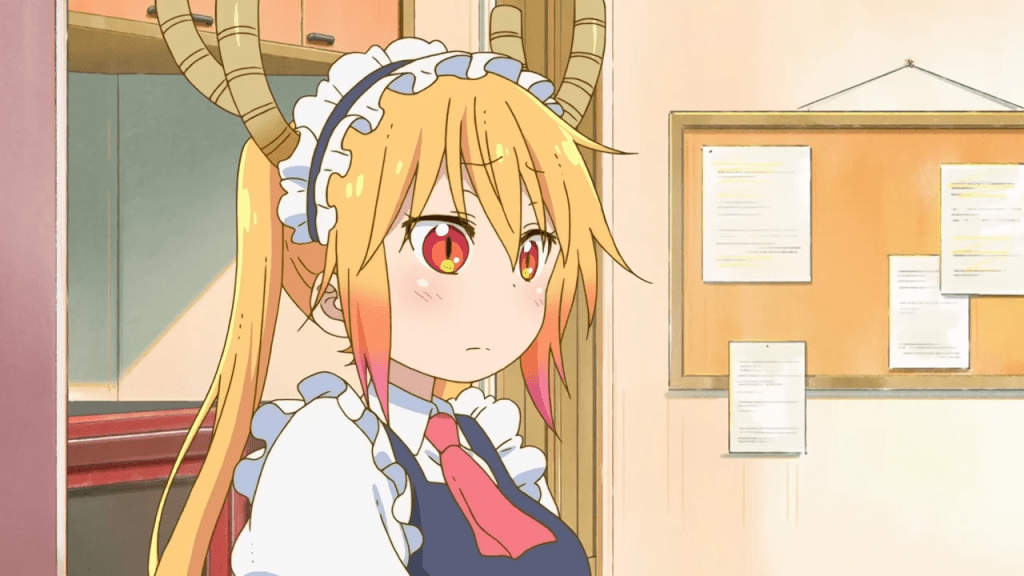
Numerous other anime, such as Kobayashi’s Dragon Maid, featured cases where the word “body exposure” was used, which was accused of being political correctness. Similarly, Interviews with Monster Girls had a scene where the word “SJW” was mentioned, causing another backlash among the community and beginning a trend of fans losing trust in English dubs. These incidents, unfortunately, reinforced the bad reputation that English dubs constantly suffer from. Even today, it seems like this practice is still an issue—even though with the rise of AI, things are starting to change—but that’s certainly not making the fans happy one bit.
Even when dubs don’t change scripts for any biased reason, fans still get mad when the dub isn’t as accurate as the original Japanese in terms of the words being used and the actual meaning of the dialogue said in Japanese. Fans feel that a purist mentality is most important to fully understand the script of an anime without any English interference, according to some fans. While I hold this mentality to some extent, a change in the dub that still stays faithful to the original Japanese isn’t bad in my opinion—even if different words are used.
Bad reputation 3: Accessibility
Did you finish an anime that you just enjoyed? Did you love everything about it and can’t help but want to continue the experience even after it’s over? Well, this is when accessibility becomes a problem. As a matter of fact, this part is probably where the hardcore fans and casuals conflict with each other over how dedicated one should be to their favorite anime. What am I talking about?
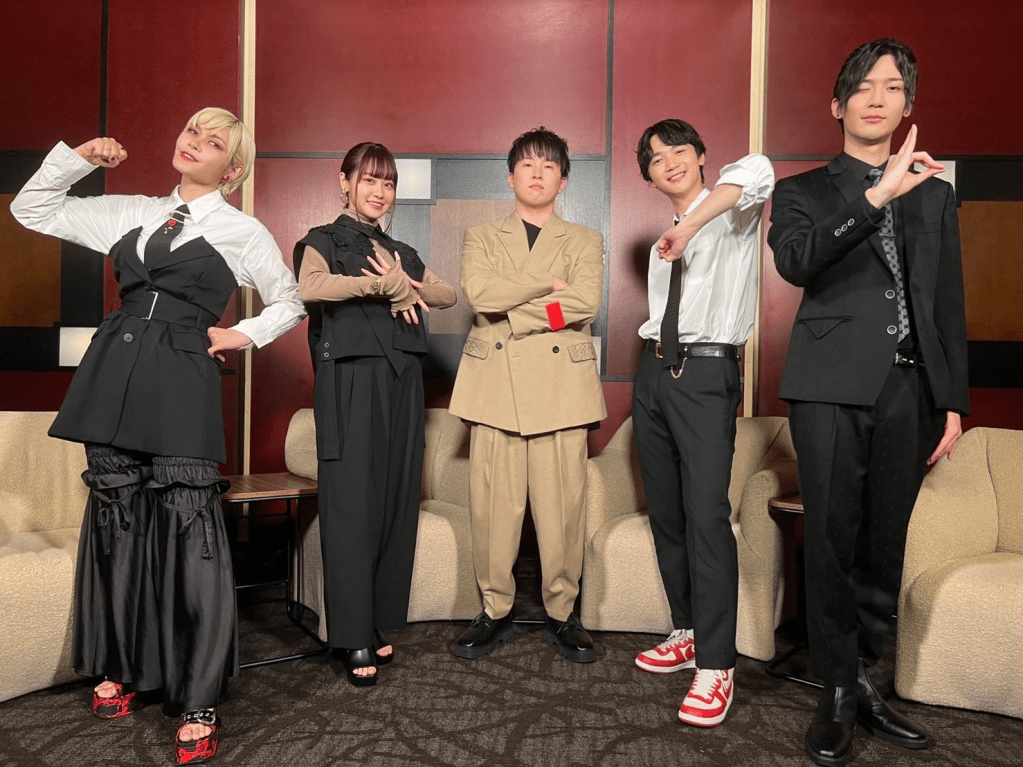
You see, if an anime is popular, then obviously one would like to invest in alternative media for a favorite anime. Whether it’s behind-the-scenes footage with the cast, iconic scenes with the seiyuu, or seiyuu talks involving the characters they voice—and, most notably, other access media like drama CDs, radio shows, videos about the anime itself only available in Japan, and video game adaptations—this is the benefit that sub watchers have over dub watchers. They don’t need to worry about suddenly having to shift from hearing Deku from My Hero Academia speaking English in the TV show to speaking Japanese in basically every behind-the-scenes series or in playing a video game of the franchise where everything is voiced in Japanese. Not just My Hero Academia, but almost all anime available has this issue. For me, it wasn’t an issue because, again, I watch all of my anime in Japanese. Yes, even the critically acclaimed English dubs are now watched in Japanese for me. People had a little problem with Jump Force (2019) being in Japanese only, since a majority of its player base watched their favorite Weekly Shounen Jump anime in English dub—which I understand because they do have iconic dubs—but for me, this wasn’t an issue at all. Hearing Naruto, Luffy, Ichigo, Gon, Deku, Yugi, Jotaro, Yusuke, even Goku—and yes, myself included—in Japanese was completely okay for me. Actually, I enjoyed it to bits because, again, I watch all of my anime in Japanese now. Either way, though, I could understand how off-putting it must have felt for some fans. This is sadly the disadvantage that English dubs have that contributes to their bad reputation among fans.
Because of this, many sub watchers feel like this becomes troublesome for hardcore fans, and many feel that sticking to an English dub hinders them from the full authentic experience that is supposed to be felt. This was a topic—and still is—that I’ve known about for quite some time now. Many feel that this is when the purist mindset has to be enforced in order to enjoy the full experience of watching anime as a whole. The reason I brought up this topic is because numerous times, I have gone through this issue myself. During my early days of watching anime, my first exposure to this problem was Naruto, which eventually prompted me to change course with how I watched anime. I would enjoy Naruto to the maximum, and whenever I wanted a full in-depth behind-the-scenes look with the franchise, 90% of it was from Japan, with the English dub having very little insider info. This eventually frustrated me because it felt like the experience wasn’t authentic and I was being hindered by language differences between a localized version and an authentic one.
Code Geass was the second offender in this regard. After I finished the anime, I was consumed by post-anime depression syndrome because of how amazing it was. I wanted more Code Geass. I wanted everything about it, and just like with Naruto, it led me to content only available in Japanese—especially the video games for the Nintendo DS and PlayStation 2. This left me not only annoyed but stressed as well. It felt like no matter how good the English dub was, I always had to resort to the original Japanese version. And here’s the thing: I had no problem with the Japanese version. On the contrary, I adored it to bits as well, but I slightly preferred the English dub at the time. However, that has changed now.
My beloved Kanon is mostly remembered for being watched in Japanese audio, but I did get to enjoy the English dub as well. However, literally everything for Kanon is in Japanese. It’s so authentic that I literally have memorized all of the seiyuu for Kanon—most notably Tomokazu Sugita as Yuichi Aizawa and Yui Horie as Ayu Tsukimiya. All other media, including drama CDs, behind-the-scenes content, and the visual novel itself, is in Japanese. In fact, this is probably the textbook definition of accessibility at its core.
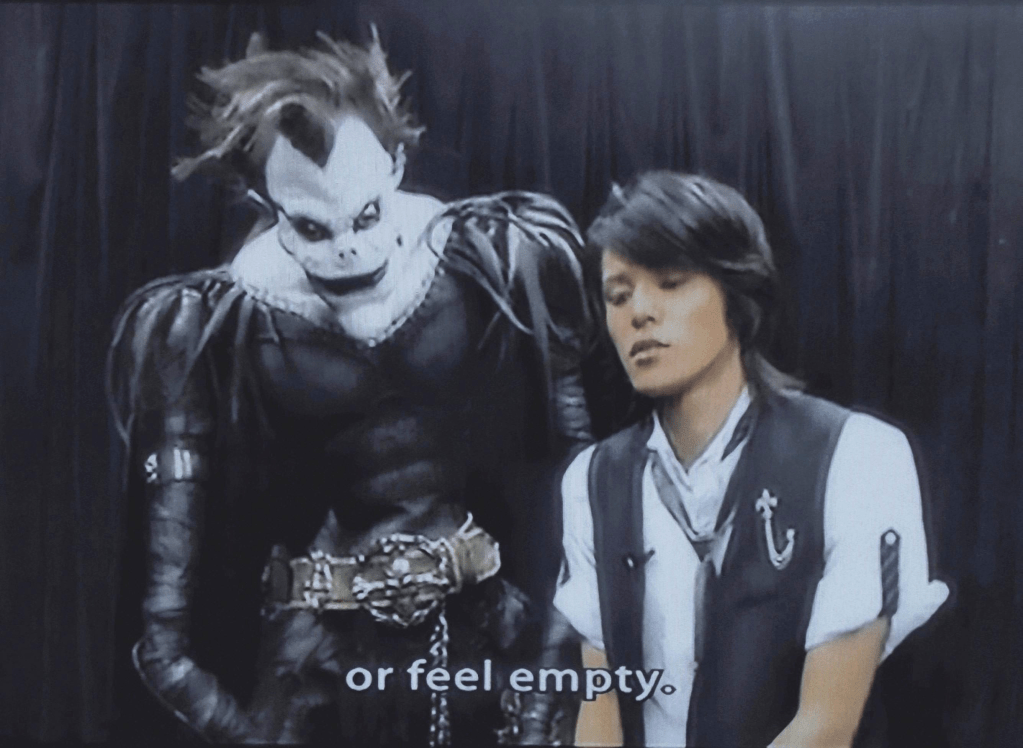
Even today, this issue still applies. Many modern anime find tremendous success among audiences, but like all things, the usual authentic experience—with full accessibility and no interruptions from the transition between English and Japanese—still happens. If an anime becomes a hit, whether through behind-the-scenes content, a gacha game, or just a general video about the anime being in Japanese, it’s a common problem that many fans feel hinders the experience. Hence why dubs get another layer of bad reputation. This one most notably for needing to switch from one language to another, which ultimately feels like the experience is ruined. I’d argue this part is probably the second most discussed issue in the battle between the hardcore and the casual.
Bad Reputation 4: The Voice Actors
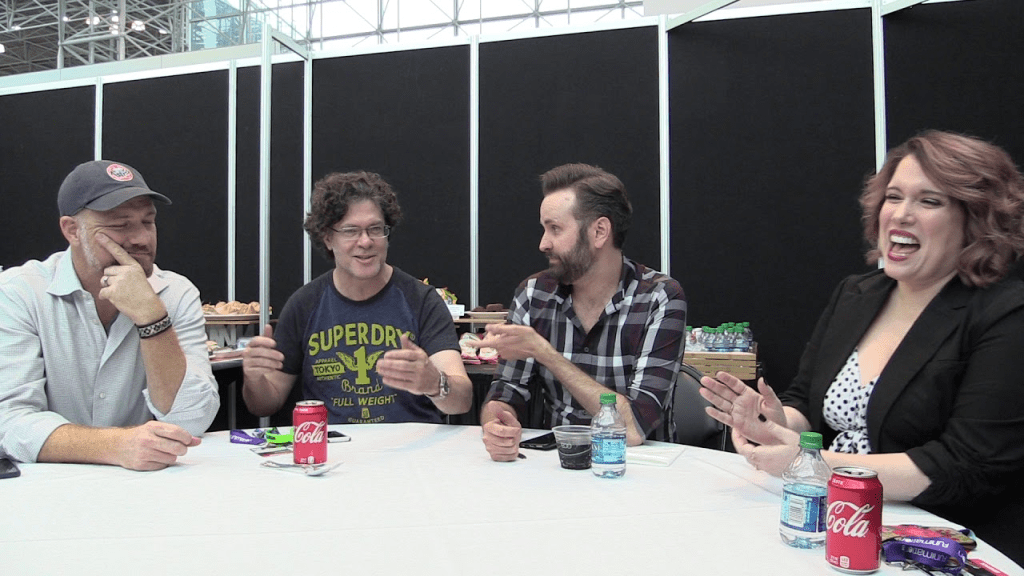
One of the most notable issues contributing to the bad reputation of English dubs is the usual drama and controversy surrounding the voice actors. Much of the drama stems from voice actors either being rude to their fans, getting engaged in controversial issues that spark outrage in the community, or making known statements that are guaranteed to make people angry—especially with political and social statements made by the voice actors themselves.
Numerous voice actors, especially those in mainstream roles, often end up alienating their audiences with political remarks that anger one specific side of the political spectrum—usually in favor of one political side while insulting the other. The common ideology is mainly progressive views that most voice actors seem to hold. In fact, the issue became so bad that some fans branded these voice actors as “SJW voice actors,” a term that was commonly used a lot in the late 2010s. Notably, the issue continued into the 2020s with more controversial incidents involving several voice actors. Some of them have become so despised that they are often insulted as being “woke” voice actors.
The incident involving Vic Mignogna and his allegations in 2019 further reinforced the narrative of the divisive nature of the English dub community and the anime community as a whole. The incident ranged from staunch supporters to hostile opposition to his allegations. It was such a full-blown meltdown that this incident actually swayed a lot of people away from getting into English dubs. I remember that time, and many people were either boycotting English dubs or downright insulting them and urging people to watch only in Japanese. Things got a lot worse when Funimation’s lost audio of the Dragon Ball Z cast making homophobic jokes angered an overwhelming amount of people in the anime community. Speaking of that, numerous voice actors—like Sean Schemmel, Monica Rial, Jamie Marchi, and Christopher Sabat—did not make the situation any better at all. Toxic and divisive statements made by them against Vic Mignogna sent the community into hellfire and caused arguably one of the most powerful poop storms that one could ever imagine. In the end, the reputation of English dubs as a whole—for both believers on the right wing and left wing—couldn’t help but feel like the English dub community as a whole was not the best place to be in. The incident caused somewhat of a mass exodus of dub watchers…
Another issue involving the voice actors is how some of them seem to have controversial incidents with fans. Most of the time—specifically when attending anime conventions—people on websites like Reddit, Instagram, and Facebook express complaints about voice actors, either for being rude, strange, or creepy. Sometimes fans feel that voice actors aren’t anything special and, most of the time, no better than the fans themselves. While most of the time this doesn’t happen, whenever it does, it causes a negative chain reaction among fans that sadly continues to further reinforce the narrative that English dubs and the community as a whole aren’t just toxic among viewers, but even among those inside the community.
Seiyuus do have their controversial moments, but when compared to the English dub controversies, it makes the Japanese ones look like a joke. Here’s the thing: aside from VERY serious and terrible incidents that happen in Japan, most of the drama involving seiyuus is either romantic affairs, betrayal of fans, contract issues, or dedicated otakus crying over their favorite seiyuus moving on—like marrying someone else—or getting caught in a sex scandal. However, when compared to the English dubbing industry, it’s a gigantic mess. Either the voice actors say something that divides the fans, get engaged in controversial drama, or suffer from a reputation of acting creepy at anime cons. In reality, the controversies surrounding English dubs are what kill many people’s desire to remain fans of dubs or to get into English dubs in the first place. It’s a HUGE issue that turns many away from English dubs.
Sometimes, the hatred for voice actors is so powerful that literally some people are completely fine with AI replacing them for future anime works.
Bad Reputation 5: Cultural Differences
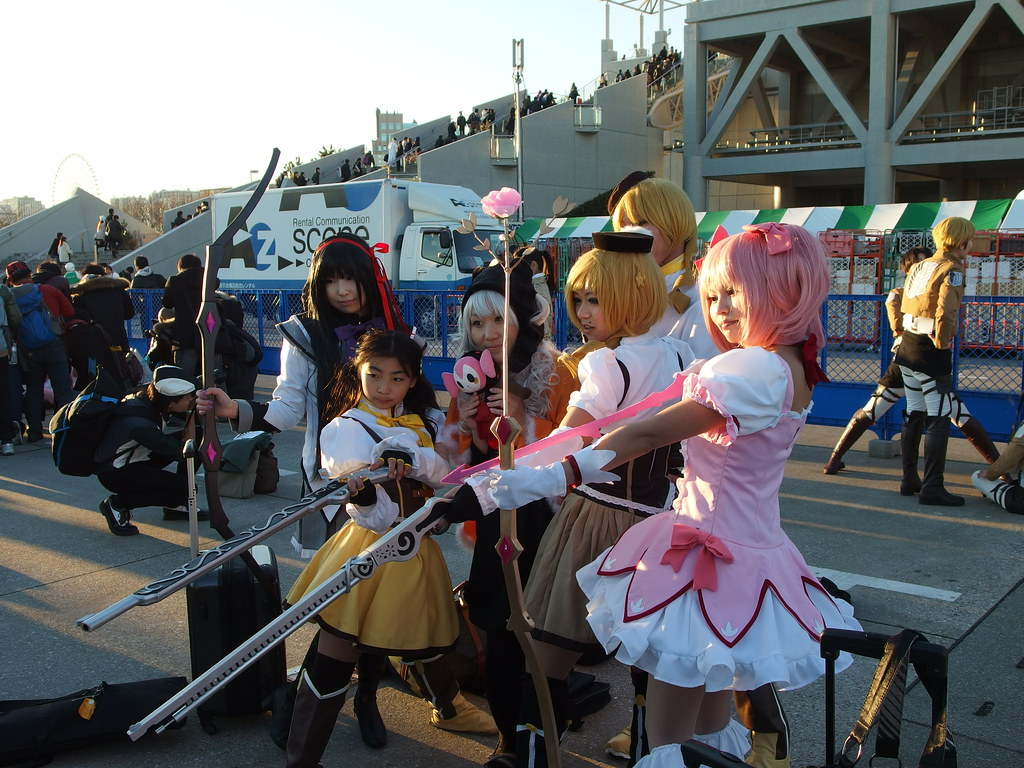
Anime is Japanese, and as we all know, those who create and run their entertainment know everything about it. Perhaps the most powerful argument that sub-only watchers use against English dubs is the narrative of an authentic feeling when watching anime in Japanese. This is a core narrative that many dub haters and Japanese-only sub watchers would die on that hill for. In fact, this belief is arguably the oldest in the Western anime community, dating back to the 1990s when the famous Anime Expo had a panel about the debate of English dub vs. sub, in which the sub side argued that there is no greater feeling than watching a piece of entertainment in its native language simply because the quality was better and provided a superior experience.
In the mid-2010s, I remember when there was a debate about the topic of English dubs vs. subs, someone wrote to me directly telling me: “If you were watching Latin American novelas, would you watch them in their native language, or watch them in English? The same could be said for Turkish dramas. Why watch them in another language when you can watch them in their native language? For me, it’s the same with anime. Why would I watch it in English when I should watch it in its native language instead?” I couldn’t help but think what he said was true, because when I think about it, anime is Japanese after all, and if one wants to feel the authentic experience with no localization issues and a full understanding of the Japanese way directly, then that’s what the original Japanese audio is for in the first place.
This is when the purist mentality is taken into overdrive. The songs are in Japanese, the openings, endings, OST, and basically everything else about it. What makes sub watchers oppose English dubs is the feeling of an authentic absence that isn’t present in the dub. Many feel that the Japanese version is the only superior format and that all characters who go by the voices of the Japanese version should remain that way only and nothing else. It’s clearly why characters like Luffy or Doraemon hold this iconic persona of being the characters that everyone knows without needing any globalized changes. The same could be said for the rest of the iconic characters of anime that everyone loves. It’s why things like memorable quotes, scenes, and memes are always in play. Watching anime in Japanese isn’t just for quality reasons, but also because it makes one feel connected to a culture and helps one learn the language even more if one is truly dedicated to it.
Another example of why some sub purists prefer subs over dubs in terms of the authentic Japanese cultural feeling is the saying “opposites attract.” For both old fans and new fans, the feeling of an opposite, sensational experience—watching a cool medium from another language and another country that is completely opposite to the English-speaking world—will always be a feeling of joy that will never die. Many who watch anime in subs want to experience everything only through the perspective of Japanese ideals, with no interference from personal Western or English ideals and while staying true to the Japanese format with virtually no tweaks, changes, or localization to cater to English-speaking audiences. In other words, think of it as a Japanese sports car that has yet to receive any modifications or changes to the automobile itself.
Some are so dedicated, that they sometimes use the word, “Blacky”, over “Umbreon”. Sometimes, I’m guilty of that lol.
I guess one final comparison could be: which version of 5 Centimeters per Second gives you the most authentic and emotional Japanese experience—the Japanese original, or the English dub? I think we know the answer already…
Conclusion:
Well, my fellow otakus, this was my article explaining why English dubs continue to suffer from a bad reputation. Even though I don’t watch English dubs anymore, I have no problem with them, and I sometimes like to hear how my anime favorites sound in English. Again, some dubs are actually superior to the original Japanese, and I feel like some can match the same emotion as the original Japanese version does. Although it’s rare, it still happens. Just because you like English dubs doesn’t make it a bad deal. In the end, we as otakus are free to watch whatever we like. As long as you’re having fun watching your favorite anime, then there shouldn’t be any problem at all. I still see some die-hard otakus—including myself in the past, when I watched dubbed anime—who are still hardcore otakus who invest their entire passion into anime and manga as a whole!
Thanks for reading my fellow otakus! Don’t forget to like, share, follow, and check out my socials!
 Animangemu
Leave a comment