
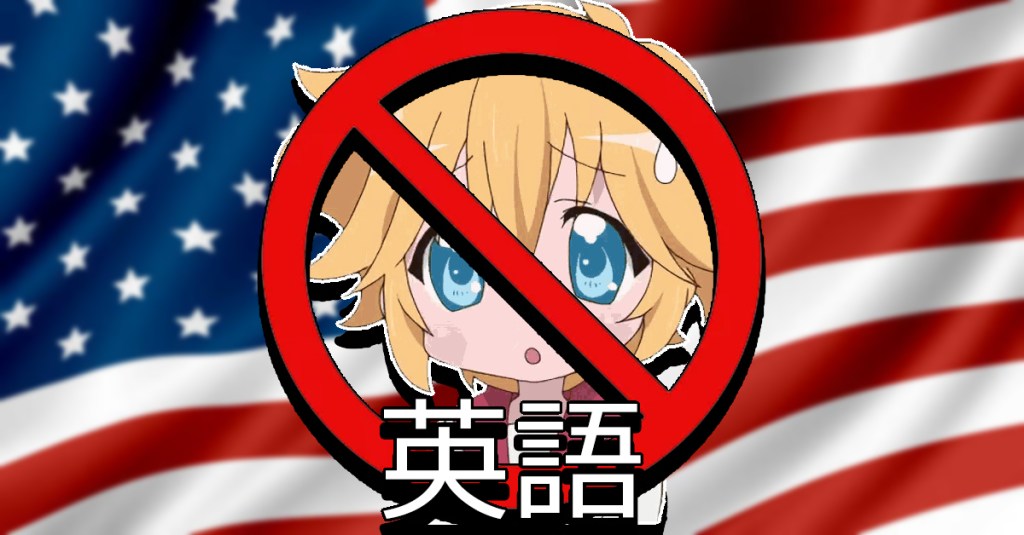
Why do English Dubs Still Get a Bad Reputation?

The oldest and most controversial debate in anime history is a divisive and polarizing one. The question is, do English dubs deserve the hate it gets?

The anime community is no stranger to controversial discussions. People in the community often argue about basic topics that are rife among those in it—ranging from questions such as which was the better “Big Three” (One Piece, Naruto, Bleach), who is the best girl in some newly released seasonal anime with only twelve episodes that will be forgotten 45 minutes after it finishes airing, whether Neon Genesis Evangelion is a deep anime with hidden themes or just a pretentious series that tries way too hard, and of course, modern anime vs. old anime.

However, if there is one topic that always seems to cause a ruckus without fail, it’s the topic of English dubs! There’s no denying that the intense and heated debate about the quality and concept of English dubs is, arguably, the most well-known and oldest topic in the history of the English-speaking anime community. The question you’re probably asking is, why is the concept of English dubs and their practice so controversial?

In this article, I will be talking about the short history of anime dubs, the long-standing controversy, and why the practice of English dubs suffer a bad reputation to this day.

Continue reading

The Anime Tourist Controversy: My Brutal And Honest Opinion

Anime’s popularity has tremendously grown in recent years, but, behind that growth left behind a backdoor that has become rife within the community.

For the longest time, the global popularity of anime and manga has continued to rise dramatically. Our medium has become so mainstream and beloved that it’s no longer uncommon to encounter fellow fans almost anywhere. This holds true not only in sparsely populated regions of the United States, but even in countries around the world that have little to no historical or cultural ties to Japan and where the market for anime and manga remains relatively small.

Of course, like all interests, new fans naturally enter fandoms as their popularity grows. When newcomers arrive, controversy often follows, and longtime members frequently take issue with the “hot takes” these newcomers share. These opinions might concern quality judgments, preferences between modern and classic favorites, or challenges to the common practices and core beliefs that the older community has established—especially when those views clash with what the creators of the series themselves believe in.

As we all know, anime and manga are no exception to this pattern. The medium continues to experience unprecedented global growth, expanding the fandom dramatically. But the key question remains: Is this rapid growth ultimately good for anime and manga?

Lately, there has been a wave of controversy in the anime community. What exactly is this controversy about? It centers specifically on the influx of newer anime and manga fans. At first glance, this might seem like the typical case of gatekeeping in a fandom. However, as you take a closer and deeper look into the issue, you’ll see that this controversy is actually a bigger problem than most people realize. It even has its own official name: anime tourism (often shortened to “anime tourist” as a pejorative label). So, what exactly is “anime tourism”?

Continue reading