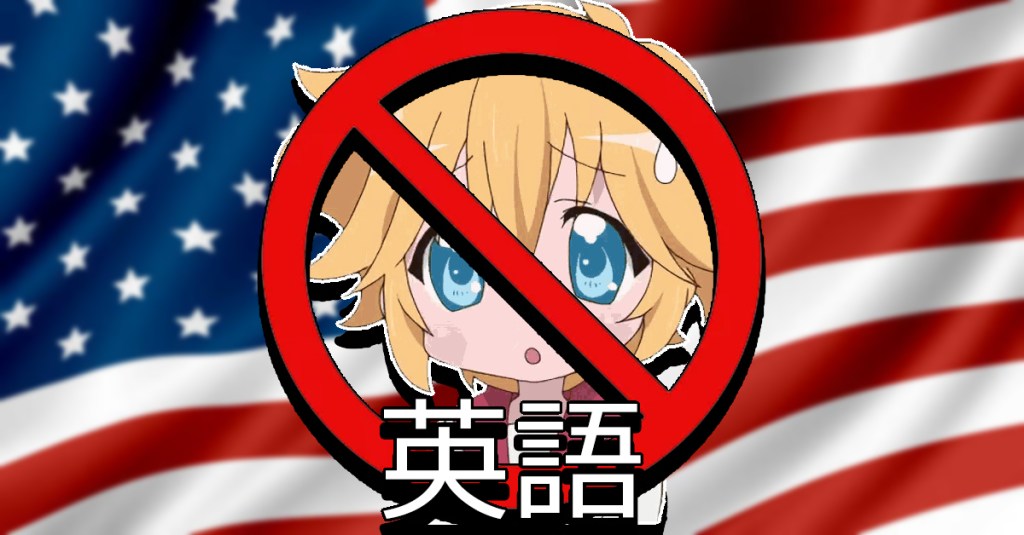
Why do English Dubs Still Get a Bad Reputation?

The oldest and most controversial debate in anime history is a divisive and polarizing one. The question is, do English dubs deserve the hate it gets?

The anime community is no stranger to controversial discussions. People in the community often argue about basic topics that are rife among those in it—ranging from questions such as which was the better “Big Three” (One Piece, Naruto, Bleach), who is the best girl in some newly released seasonal anime with only twelve episodes that will be forgotten 45 minutes after it finishes airing, whether Neon Genesis Evangelion is a deep anime with hidden themes or just a pretentious series that tries way too hard, and of course, modern anime vs. old anime.

However, if there is one topic that always seems to cause a ruckus without fail, it’s the topic of English dubs! There’s no denying that the intense and heated debate about the quality and concept of English dubs is, arguably, the most well-known and oldest topic in the history of the English-speaking anime community. The question you’re probably asking is, why is the concept of English dubs and their practice so controversial?

In this article, I will be talking about the short history of anime dubs, the long-standing controversy, and why the practice of English dubs suffer a bad reputation to this day.

Continue reading

Hideaki Anno: “I’m sorry, but the audience will have to be the one to adapt.”

Death taxes and anime controversy. Ever since I started Animangemu, controversial topics with hot takes by famous figureheads of the anime industry have somewhat become the norm. Of course, this isn’t new, and this phenomenon dates back decades. Either it was Hayao Miyazaki saying that anime is made by people with unrealistic expectations—in a negative tone—which people mistakenly thought meant “anime is trash and was a mistake.” Nowadays, controversial issues have gotten more notable and a lot more common, especially this year in 2025.

Now Hideaki Anno joins the scene, and although he’s made previous controversial statements before, this one is his latest. But is it really controversial? According to some fans, it is—for them—and the reason why is clear. In a recent Forbes Japan interview, Anno stated that creators should not adjust anime for overseas or global audiences, emphasizing that works must first succeed domestically in Japan, and adding, “I’m sorry, but the audience will have to be the one to adapt.” Some fans (especially in Western discussions on platforms like Reddit and X) find this controversial because it feels like a rejection of global inclusivity, a pushback against localization pressures, or even a dismissal of “modern audience” sensitivities. Others, however, praise it as a defense of authentic Japanese storytelling against homogenization.

As we all know, in terms of popularity and industry business practices, anime as a whole has indeed globalized. Anime is more popular than ever, and people are watching anime—both old and new—racking up DVDs, buying up all the manga, and hogging all the merchandise. This year, we saw three anime movies dominate the box office worldwide: Demon Slayer: Infinity Castle, Chainsaw Man: The Movie – Reze Arc, and Jujutsu Kaisen: Execution. All three enjoyed unprecedented success at the box office in Japan and internationally. Most notably, in countries like the United States, China, and numerous nations in Southeast Asia and parts of Europe, anime has not only enjoyed explosive popularity but has equalized—and even dethroned—once long-time pop culture favorites among the locals.

So, with such success globally, it’s no surprise that a critically acclaimed and legendary director like Hideaki Anno would be asked such a question. So, what’s going on exactly, and what did he say?

Continue reading

Legendary Anime Studio Gainax Files For Bankruptcy

On the 40th anniversary of studio Gainax’s foundation, the studio behind the making of many epics and well known legendary anime, such as Gunbuster, Neon Genesis Evangelion, FLCL, and Gurren Lagaan, have filed for bankruptcy in Japan. They have been acknowledged by the Tokyo District Court. Surely cementing the end of their existence as an anime studio. Another legend from the anime industry disappears into history, and will now only live as a memory for many otakus of the anime industry, as Gainax dies as a hero for the anime industry.

Continue reading

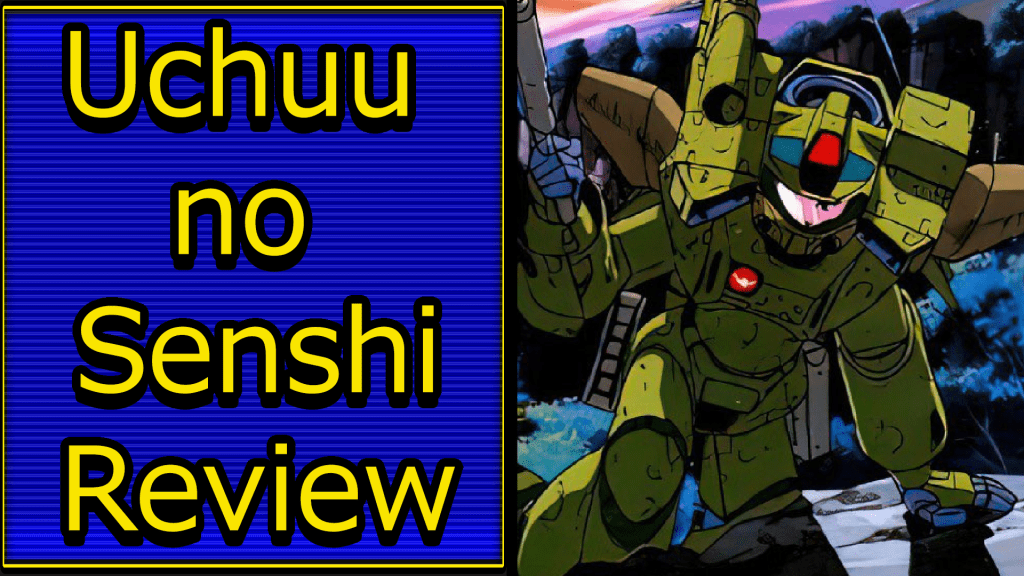
Anime Review: Uchuu no Senshi (宇宙の戦士) 02/2/2022

NOTE: THIS REVIEW IS OLD! IT WAS RECOVERED THROUGH ARCHIVED FILES!

Uchuu no Senshi (also known as Starship Troopers in English) is a 1980s Sci-fi Mecha OVA Anime created by Sunrise. Set in a futuristic setting where humanity finds itself in a conflict against aliens who pose a threat to the world and potential all of humanity itself. Johnny Rico who is the main protagonist of the show enlists himself in the military with his crush Carmencita enlisting herself in the military as his main reason to join the military. Together him with select crew mates are deployed into the most notorious training facility, and thus they work their way all the way through the pain and suffering from the notorious training. It is based on the actual 1959 novel written by Robert A. Heinlein, who died before the first part of the OVA was released. In other words, you can say this OVA is a tribute and dedication to him, as even the first episode of the OVA literally stated “in the memory of Robert A. Heinlein.”

Uchuu no senshi’s concept sounds interesting at first hand and sounds great on paper, and truth be told they did quite a good job with the concept and premise. Unfortunately, this Anime suffers greatly from too little and too late. What do I mean exactly? It’s very simple, you make the first 4 episodes to a very slow paced experience and then finally put all the action squeezed into the two last episode. This is an unfortunate issue with the Anime. An even harder problem is Sunrise tried their utmost best to adapt a very epic critically acclaimed Sci-fi novel into a modest budget OVA Anime with very extreme limits and budget problems for this already doomed project. While hardly a disaster and far from being a bad Anime at all, its legacy certainly speaks volume as here we are 3 decades and a half after its release, and it has mostly faded into obscurity.

Continue reading