

Death taxes and anime controversy. Ever since I started Animangemu, controversial topics with hot takes by famous figureheads of the anime industry have somewhat become the norm. Of course, this isn’t new, and this phenomenon dates back decades. Either it was Hayao Miyazaki saying that anime is made by people with unrealistic expectations—in a negative tone—which people mistakenly thought meant “anime is trash and was a mistake.” Nowadays, controversial issues have gotten more notable and a lot more common, especially this year in 2025.
Now Hideaki Anno joins the scene, and although he’s made previous controversial statements before, this one is his latest. But is it really controversial? According to some fans, it is—for them—and the reason why is clear. In a recent Forbes Japan interview, Anno stated that creators should not adjust anime for overseas or global audiences, emphasizing that works must first succeed domestically in Japan, and adding, “I’m sorry, but the audience will have to be the one to adapt.” Some fans (especially in Western discussions on platforms like Reddit and X) find this controversial because it feels like a rejection of global inclusivity, a pushback against localization pressures, or even a dismissal of “modern audience” sensitivities. Others, however, praise it as a defense of authentic Japanese storytelling against homogenization.
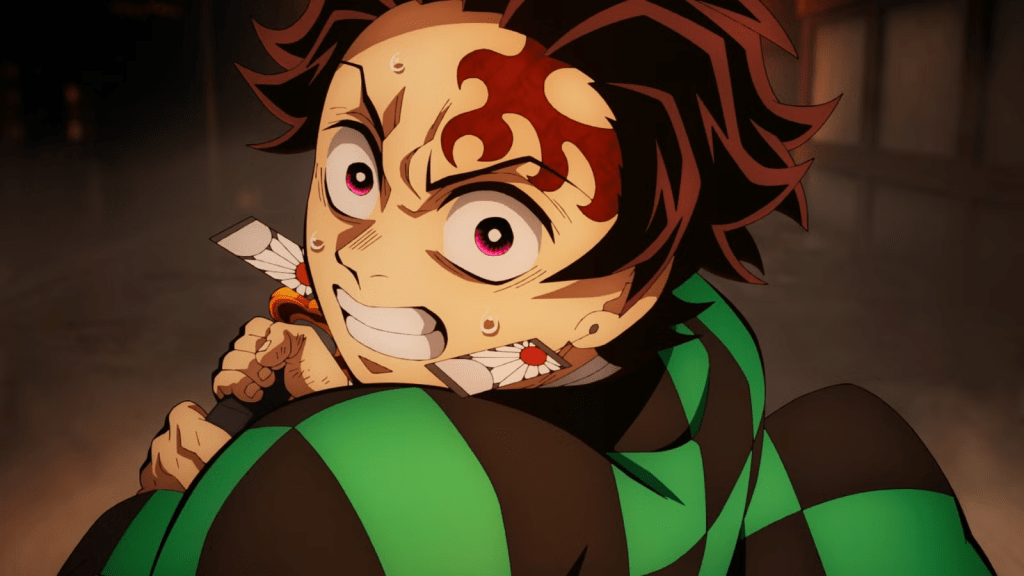
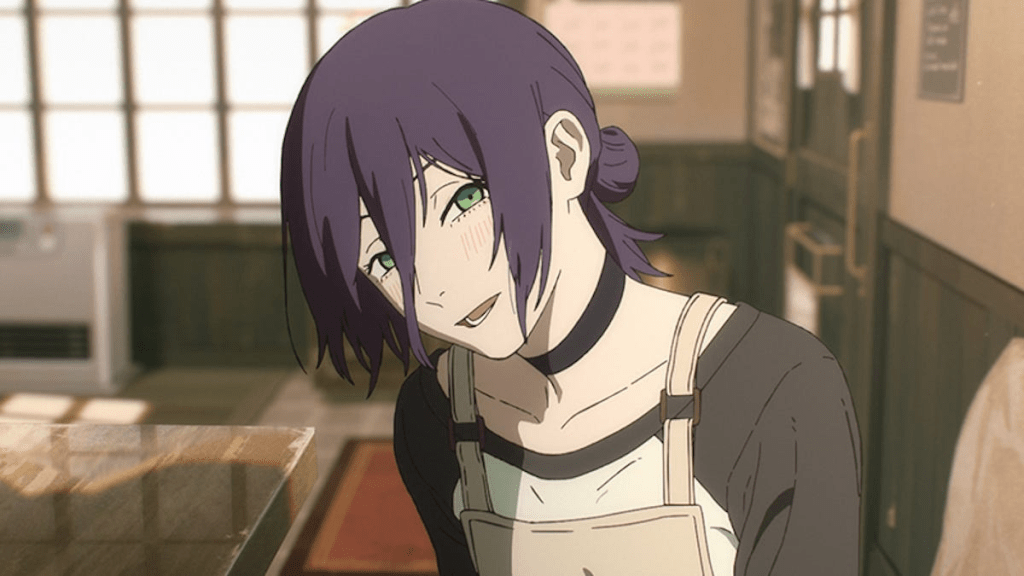
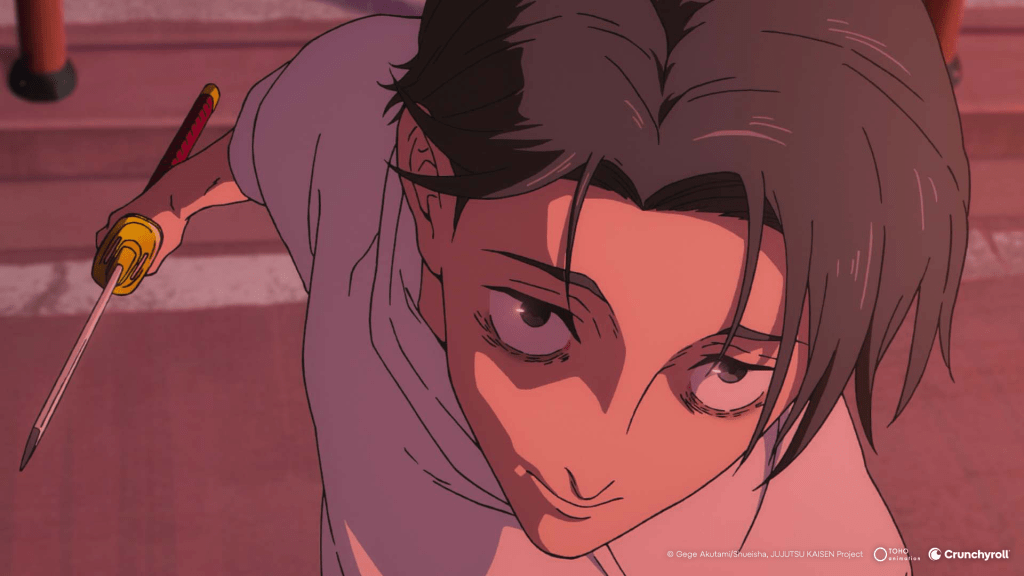
As we all know, in terms of popularity and industry business practices, anime as a whole has indeed globalized. Anime is more popular than ever, and people are watching anime—both old and new—racking up DVDs, buying up all the manga, and hogging all the merchandise. This year, we saw three anime movies dominate the box office worldwide: Demon Slayer: Infinity Castle, Chainsaw Man: The Movie – Reze Arc, and Jujutsu Kaisen: Execution. All three enjoyed unprecedented success at the box office in Japan and internationally. Most notably, in countries like the United States, China, and numerous nations in Southeast Asia and parts of Europe, anime has not only enjoyed explosive popularity but has equalized—and even dethroned—once long-time pop culture favorites among the locals.
So, with such success globally, it’s no surprise that a critically acclaimed and legendary director like Hideaki Anno would be asked such a question. So, what’s going on exactly, and what did he say?
On December 24, 2025, Anno was interviewed by Forbes Japan (in a special discussion also featuring director Takashi Yamazaki) and talked about the changes in the anime industry and its further expansion into the overseas market. Anno was asked about these changes and how they’re impacting content creation and distribution. Interestingly, Anno himself stated that studios haven’t made any “conscious” changes in the past few years—although he did note that the environment itself has slightly changed. Anno stated:
“I personally never made anything with the overseas audience in mind. I can only make domestic stuff. Production companies are quick to say think about the overseas market, but personally, that’s not my goal,”. – Hideaki Anno
That’s not all, Anno explained further:
“My stance is simply – it first needs to be a work that will be well received and found interesting in Japan, but if by any chance people overseas also found it interesting, I’d be grateful for that.” – Hideaki Anno
Anno also mentioned his work on Evangelion: 3.0+1.0 Thrice Upon a Time, stating that he “wasn’t considering the overseas market at all.” This meant the international audience wasn’t even on his mind one bit during production. He explained that he chose to produce the film entirely independently, handling everything himself—from creation to distribution and promotion—so that no one could interfere with his vision. His reason for this approach was precisely to maintain full creative control, and he was prepared to take full responsibility for the film’s outcome, whether it succeeded financially or not.
During the interview, Anno also stressed that making a movie specifically for non-Japanese audiences comes with considerable difficulties—most notably the language barrier, according to him. He stated:
“Works that are created through thinking in Japanese are, after all, difficult to understand except in Japanese. Film has visual and musical elements, so compared to other fields I think the language barrier is lower, but even so the dialogue is in Japanese, and it’s drama about people who move based on emotions formed through thinking in Japanese.” He further explained that while visuals and music can cross borders relatively easily, the deeper nuances of Japanese dialogue, emotional expression, and cultural thought processes cannot be fully adapted or localized without fundamentally changing the work—“we can’t accommodate [the work] to the audience from our side.”
Hideaki Anno firmly believes that such works made specifically for the Japanese audience can achieve international success globally without having to cater to the global audience. This is true, as even works rooted in Japanese narrative styles have achieved sustained success overseas. Anno also stated that as a creator, he cannot accommodate his work to the audiences. Famously stating: “I’m sorry, but the audience will have to be the one to adapt.”
Anno also stated:
“film is a one-way road, Even if the audience complains, that doesn’t necessarily mean that the complains are reaching the creators – film isn’t a medium that accommodates its contents for the viewer. “That’s why the audience has to trust the creators in what is interesting, and that’s why I think it’s completely fine to keep production domestic,” – Hideaki Anno
In the end, Anno expressed that overseas production can come later, and also stated that creators should not be concerned about that issue. In his last statement, he said:
“We should let the business people turn our works into products and sell them, that’s the best course of action, But a part of why Japanese works haven’t been able to make it to the West until now is because “we were kind of bad at selling them,” – Hideaki Anno
I 100% agree with everything Anno said. Do you want to know the reason why? Well, it’s completely obvious. First, just look around you and consider the sustained success that the anime industry has enjoyed for decades. Want to know why it’s thrived? Because, historically, American movies were loved worldwide precisely because they embraced strong themes of Americana—values, culture, and storytelling that resonated deeply with audiences. But sadly, as Hollywood increasingly prioritized globalization and reshaped films to appeal to the broadest possible “global” audience, that authentic American flare gradually disappeared into thin air. Other nations around the world followed the same pattern, and as a result, authenticity, creative writing, and truly original ideas have mostly faded away. Let’s be completely blunt and honest: whenever something is deliberately catered to a global audience, the process often starts with misunderstanding, moves to whining and complaints, escalates to demands for change, and ultimately destroys what made the original work special in the first place—like the unique cultural depth, emotional nuance, and unapologetic Japanese identity that define anime. Ask yourself this question: Why do you like anime so much?
Is it because of how authentically Japanese it is? Is it because of how exotic and different Japanese anime feels compared to entertainment from your own country? Do you enjoy learning about their cultural values, their beliefs, their philosophy, their ways of living, the culture in general, the people, the creative inventions, and everything that makes Japanese anime great? Well, guess what—congratulations, because you’ve just officially answered your own question. We like Japanese anime for numerous reasons. It could be because it’s freaking darn good, wildly entertaining, completely addicting, or deeply personally meaningful to one’s life (like it is for me, for instance). It’s also because of how “different” it is from other sources of entertainment—the stunning art design, the incredible diversity of genres, the way anime breaks new ground that Hollywood and others could never touch. Is it because it’s “weird” in the best possible way? This is exactly what I’ve been saying about this topic all along. NOTE: THIS IS JUST A NORMAL REPLY! DO NOT THINK IT’S DRAMA OR A FLAME WAR!
The truth is, it’s no accident that anime is thriving not just in Japan, but internationally as well. I know some people claim that anime’s sustained success in the modern era is mostly due to the decline of Western entertainment, but here’s the thing—I’m going to debunk that idea. Anime has always been brilliant. Just like what Anno said, the Japanese were simply bad at advertising it and didn’t care much about global audience reception in the past. There’s no doubt that the 2020s represent another golden age for Japanese anime in movie theaters, but this decade might just be their best yet—and it all traces back to Hayao Miyazaki’s Spirited Away and its triumphant Oscar win in 2003. Even before this current boom, anime movies have always been exceptional. In my personal opinion, they offer a superior movie experience that no other nation’s film industry can truly match. Show me a movie that can rival or surpass masterpieces like 5 Centimeters Per Second, The End of Evangelion, Grave of the Fireflies, or Colorful: The Motion Picture—and then we’ll talk! I don’t care if I sound like a rabid, ignorant fanboy, but anime is the best, and no one can change my mind. People say Star Wars, I say Gundam. People say DC and Marvel, I say Weekly Shounen Jump. People say Mickey Mouse, I say Pikachu. That’s just who I am. I acknowledge the quality and brilliance from the other side, but I prefer my side.
Also, one final statement I’d like to make: I’m getting real sick and tired of this forced globalization of entertainment, trying to make everything fit all audiences around the world. The truth is, I find this practice utterly nonsensical, and I feel like it ruins entertainment in general. Why do we watch American movies in the first place? Why do we watch British movies? Why do we watch films made in Latin America? Better yet, why do we watch Japanese entertainment—specifically anime movies or live-action films made in Japan? Why has Korean entertainment—K-dramas, movies, and music—become so beloved around the world? The answer is simple: because it’s authentic, true to its culture, and doesn’t alienate its own domestic audience in favor of a politically correct narrative that the international audience has no right to demand or complain about whatsoever. Like Anno said: adapt, or look elsewhere. I’m proud of Japanese anime for resisting international pressure to change, and I sincerely hope they continue to do so. I’m tired of this politically correct globalization of entertainment. That’s exactly why Western entertainment has declined, and why niche interests—like Japanese entertainment, Korean entertainment, and even others like Turkish entertainment—are thriving. They prioritize their core audience and stay true to their culture. There’s a reason you’re watching something called “a foreign product.” There—end of story!
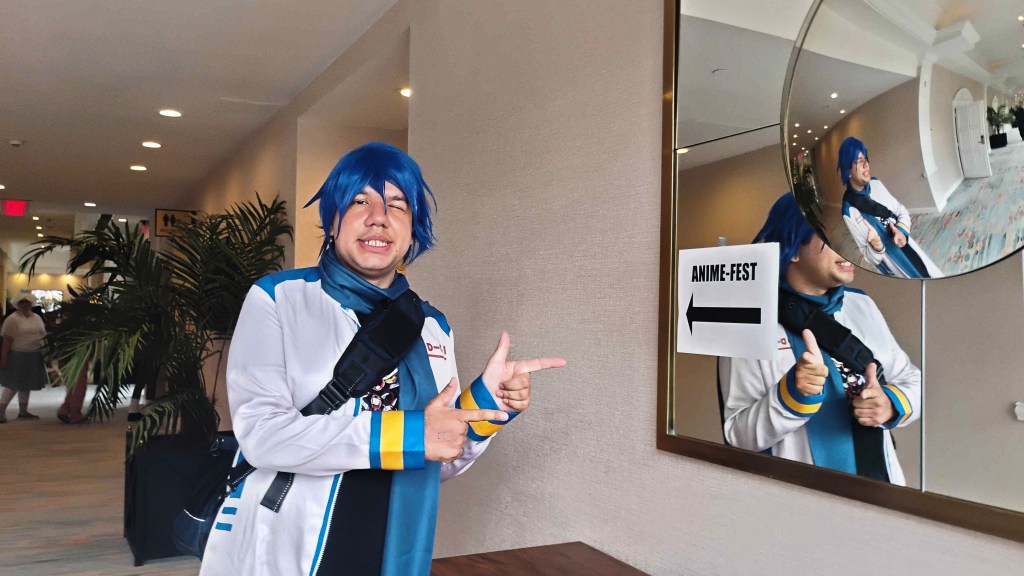
Thank you for reading as usual! Follow, subscribe, and stay tuned for more content! “Florida’s #1 Akiba-Kei!”
Sources: automation-media



 Animangemu
Leave a comment